State Nature Reserve "Barsakelmes"
Introducing
Barsakelmes Reserve
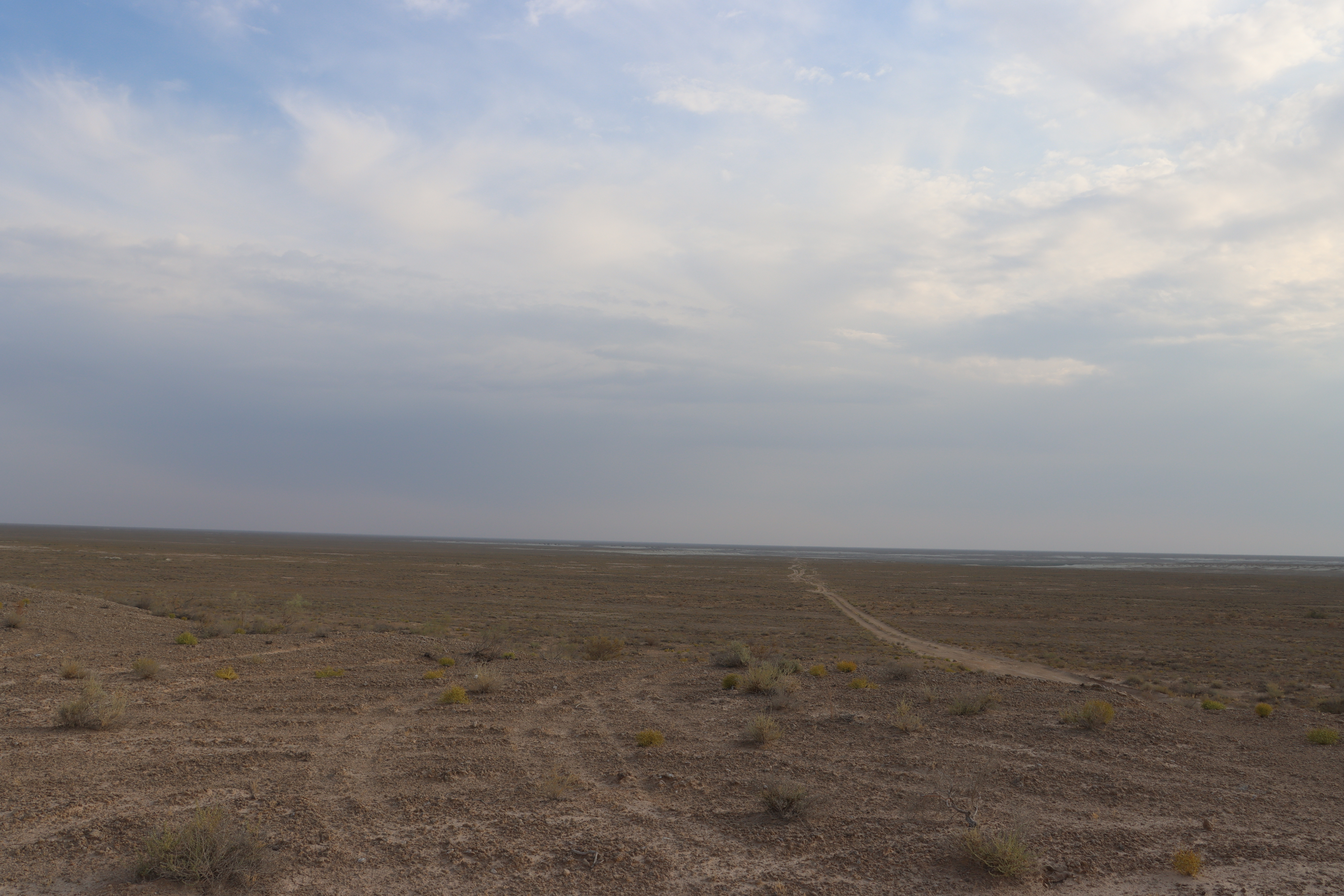
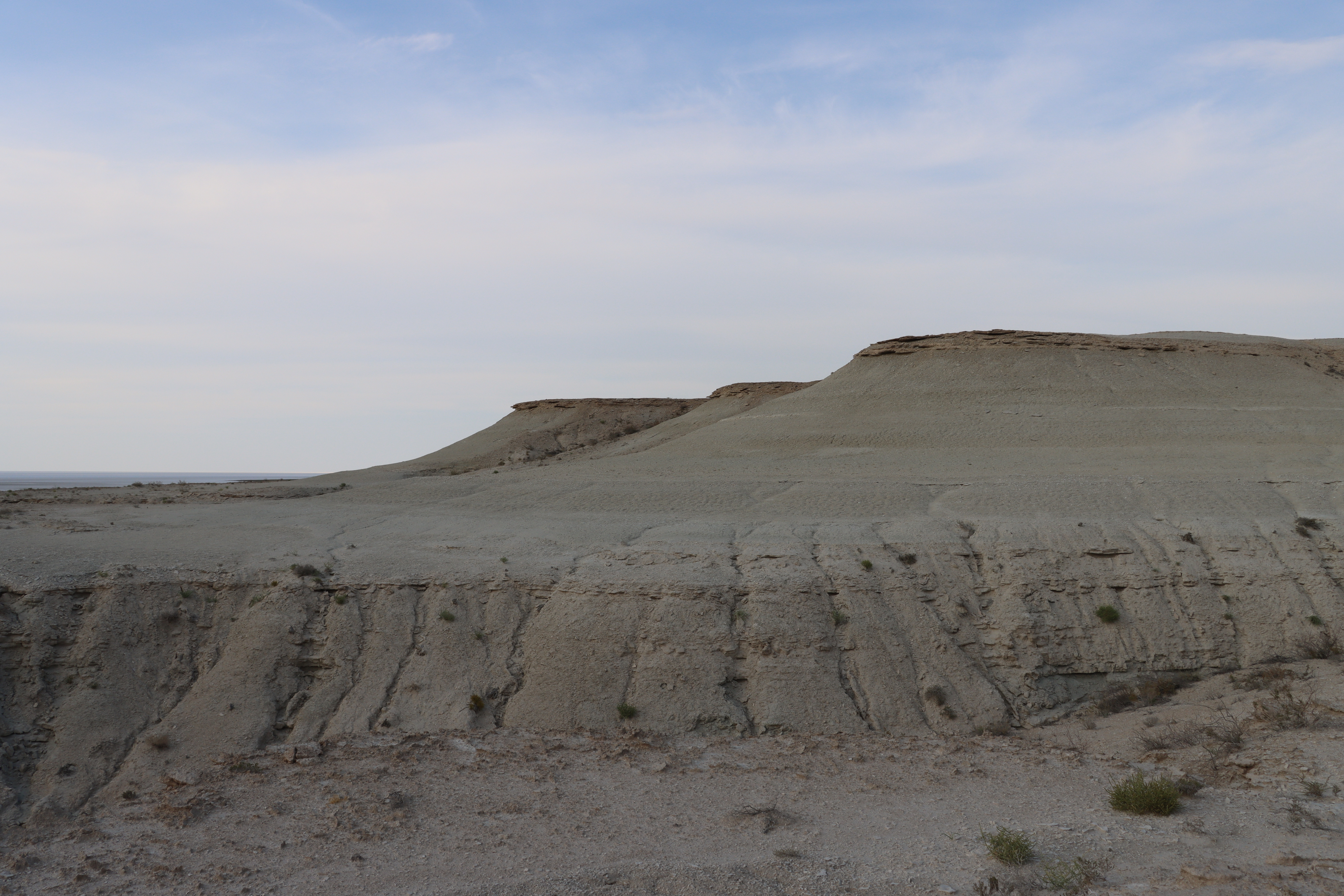
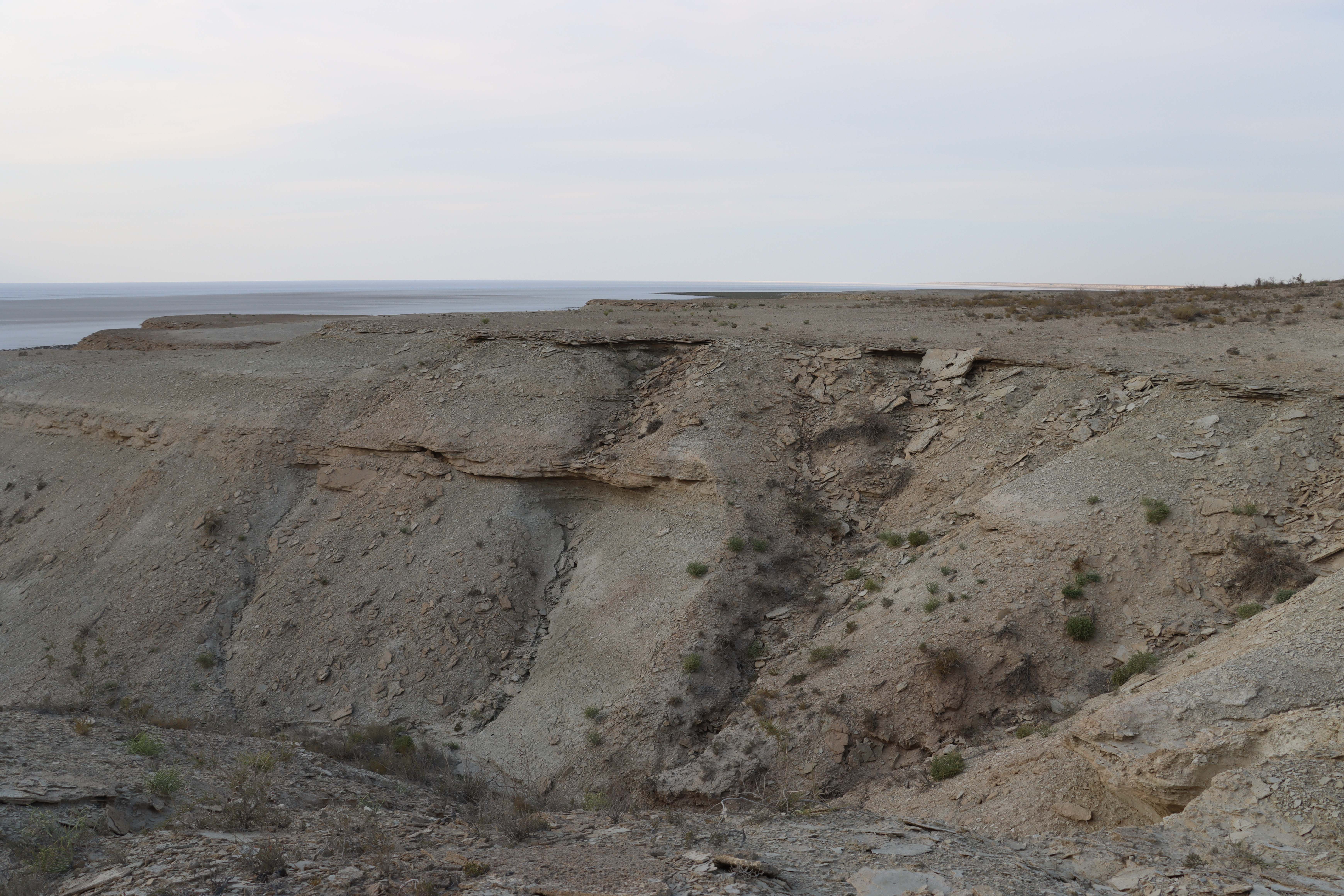
In 2022, based on recommendations from the Academies of Sciences of the Republic of Uzbekistan and the Republic of Karakalpakstan, the Barsakelmes Reserve was established on the Ustyurt Plateau to protect its natural features and complexes. Located in the Kungrad district of the Republic of Karakalpakstan, the reserve covers 280,000 hectares, of which 44,000 hectares are designated as protected zones.
Natural and Geographical Location
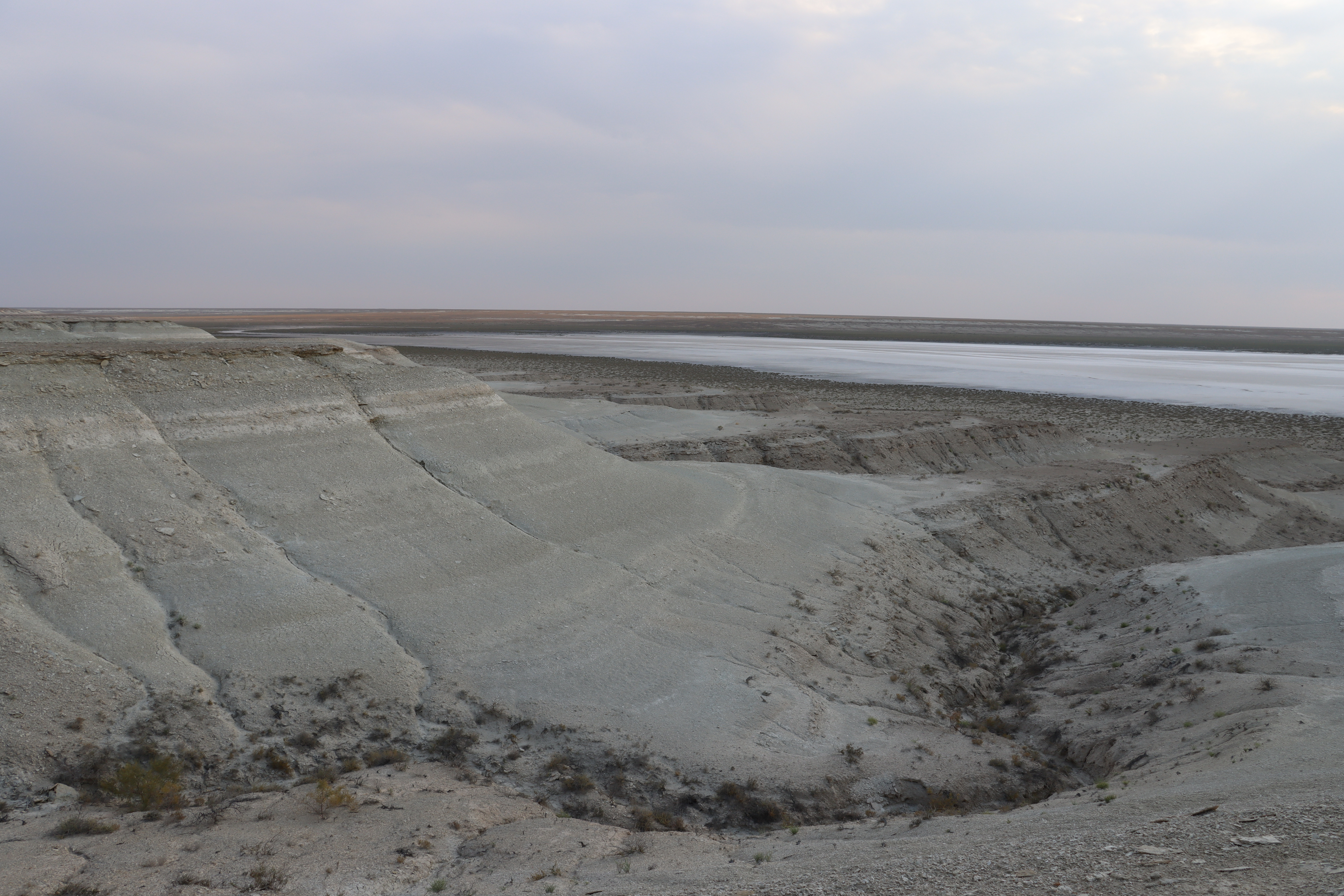
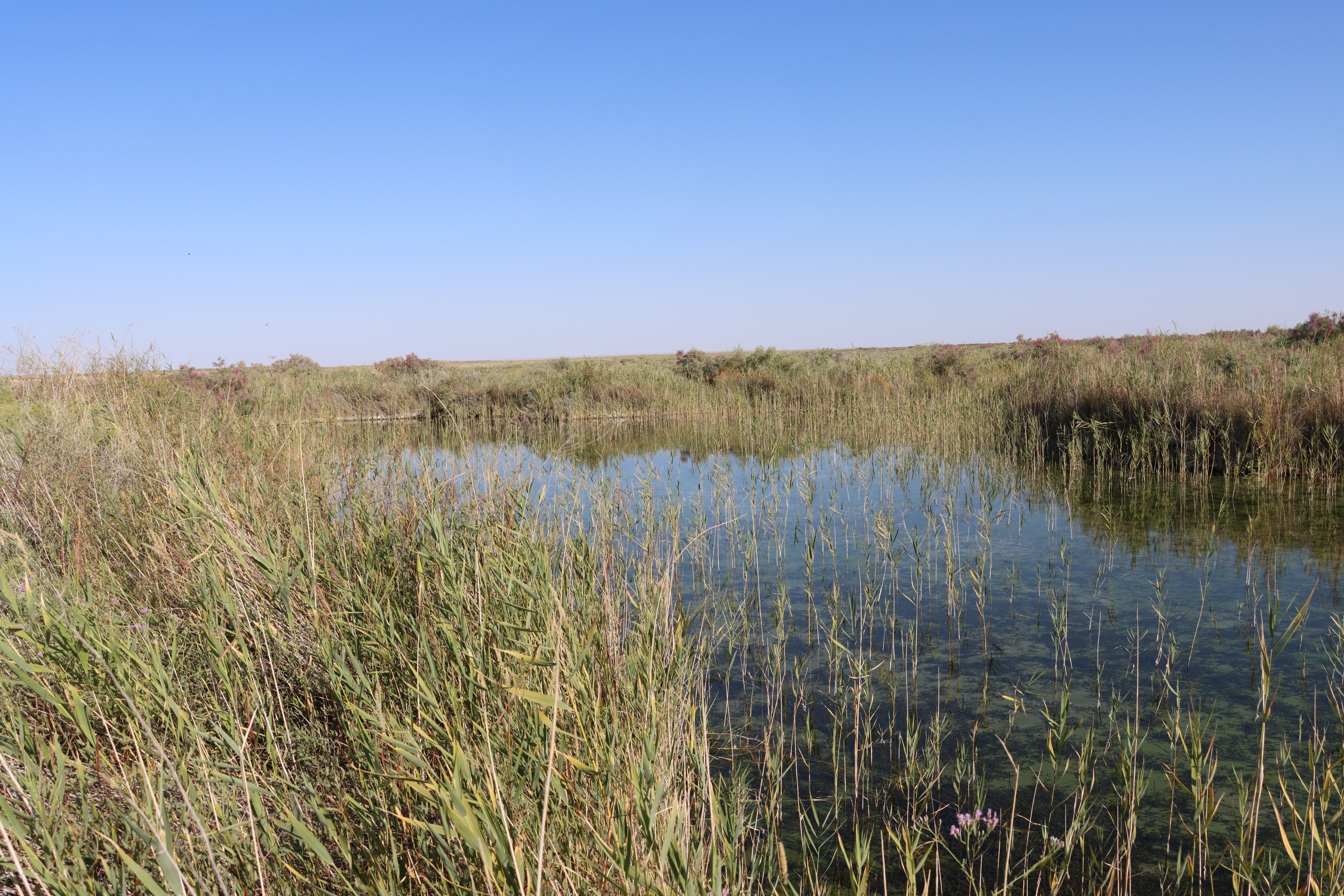
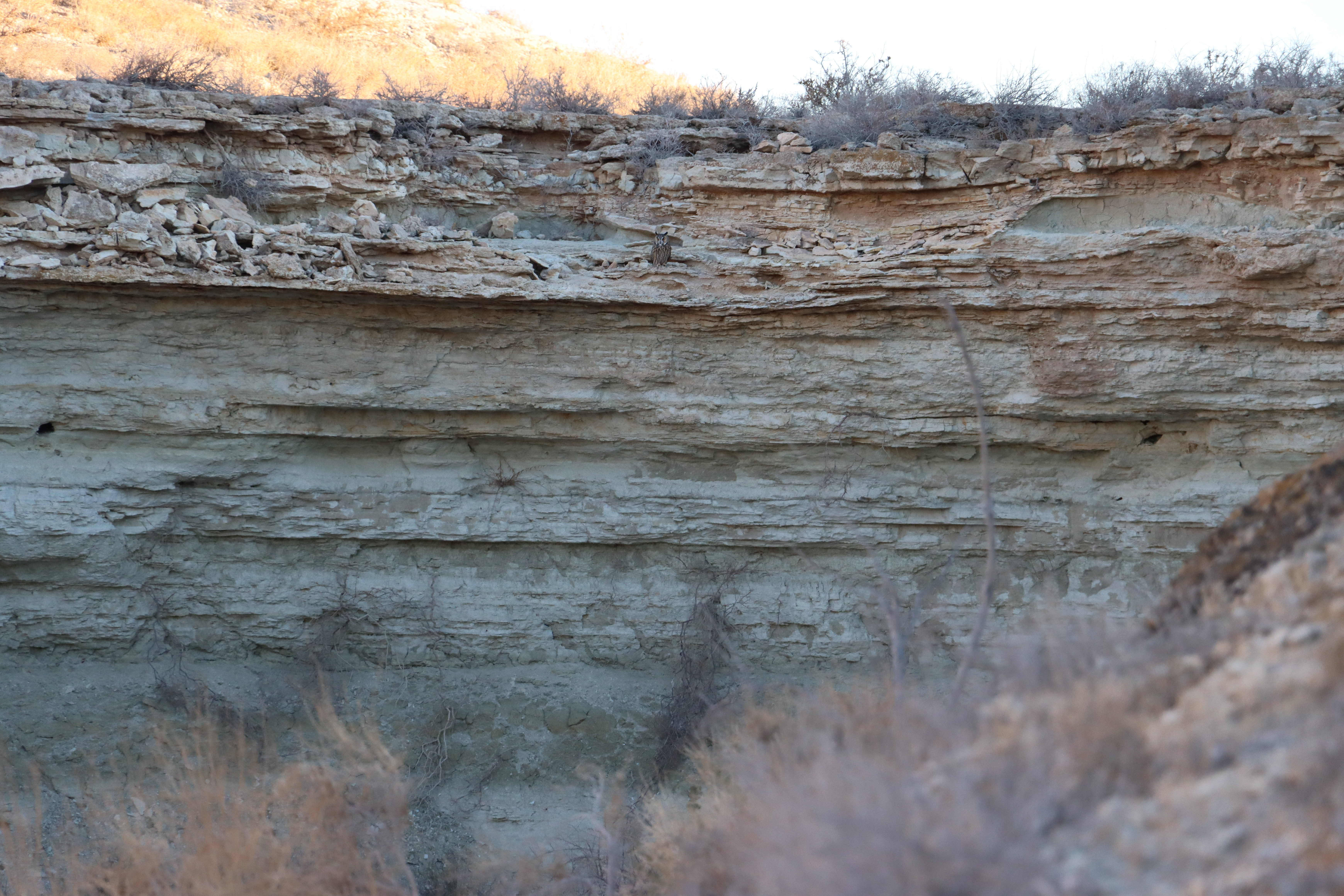
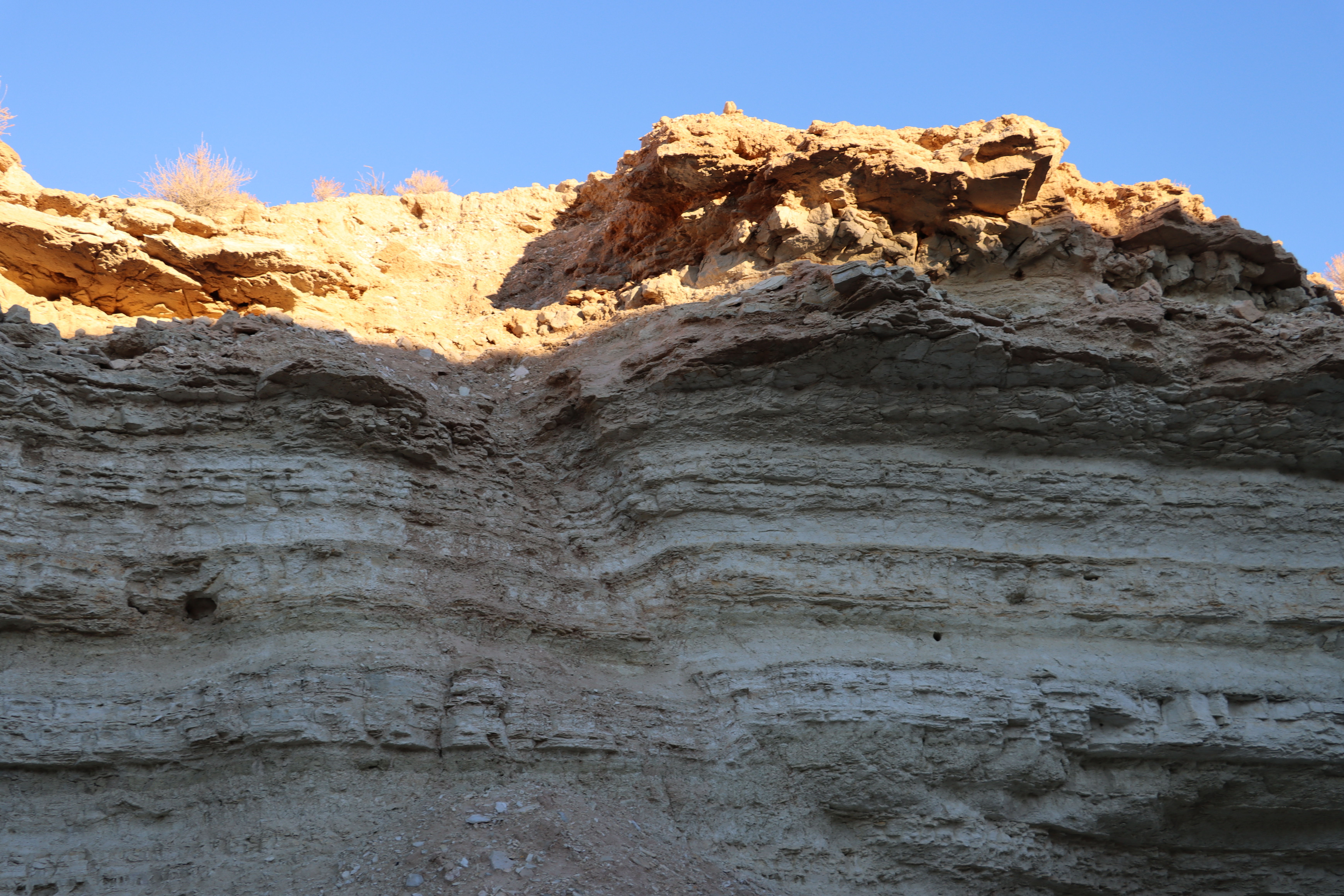
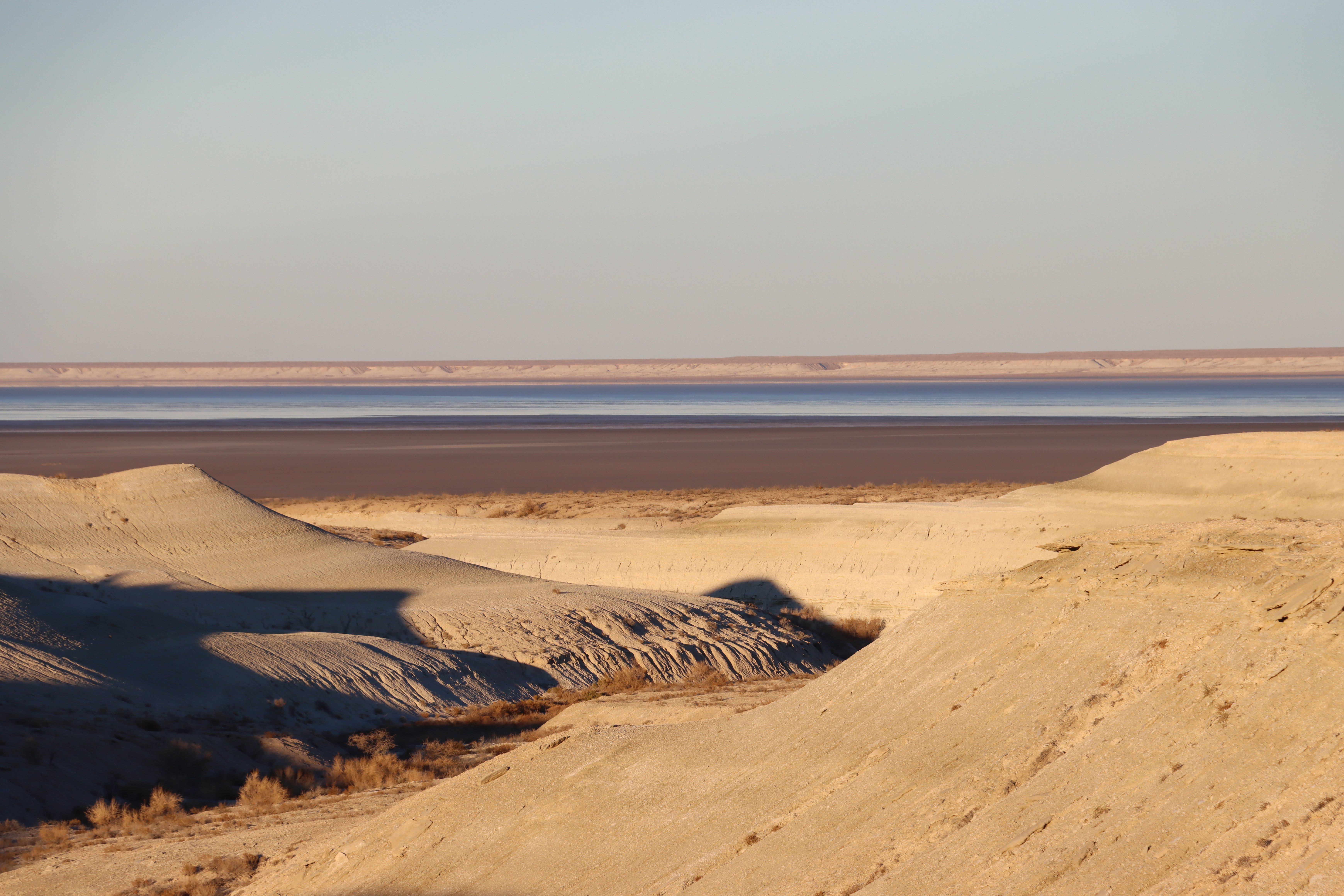
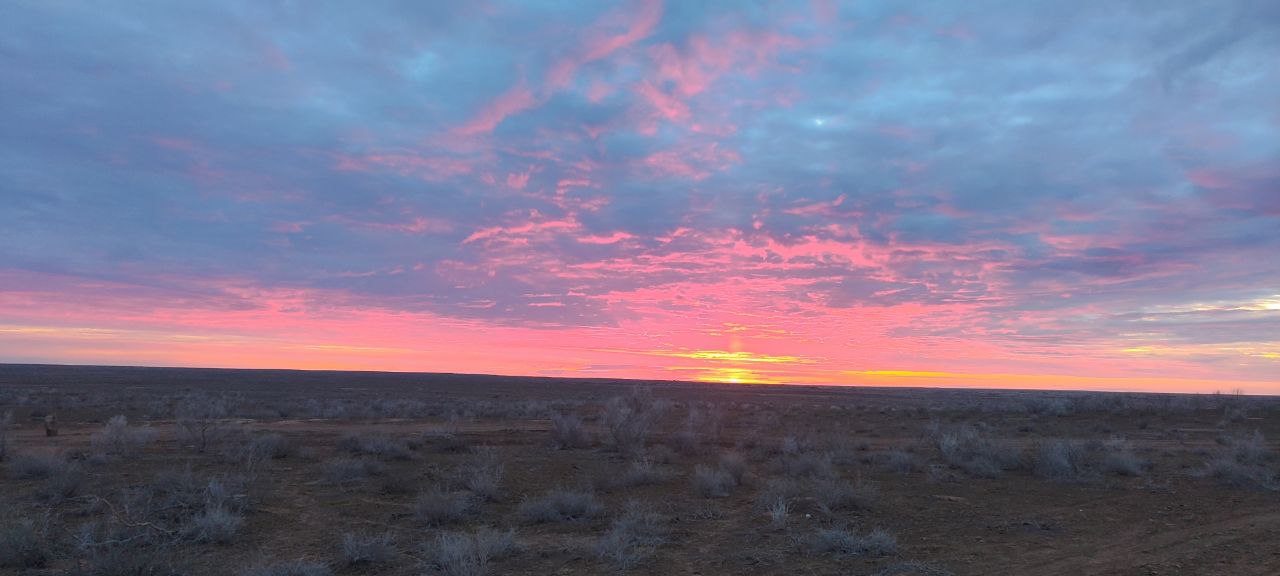
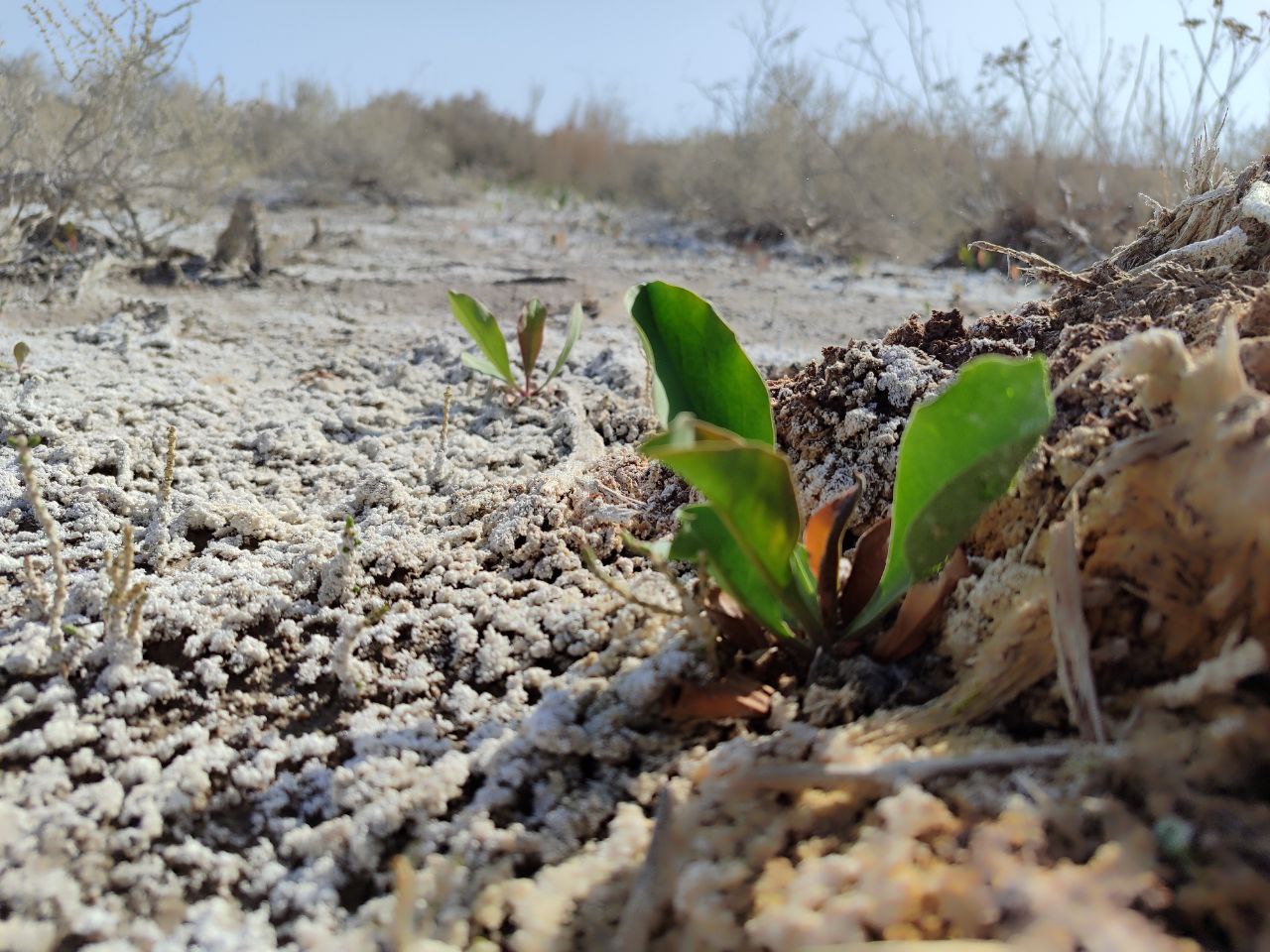
The reserve is situated in the Barsakelmes Depression, one of the largest depressions in Uzbekistan. The terrain is flat and characterized by karst formations such as sinkholes and collapses. The Barsakelmes Depression is an erosion-salt-accumulation basin of denudation-deflation type, with its floor covered by salt layers and brine (highly concentrated saline deposits). The depression spans 60–80 kilometers in width. The Ogiyin Salt Flat, located in the northern part of the depression, is a plain of a salt lake type.
Climate
The climate is arid and sharply continental. Average temperatures in January range from -6°C to -8°C, and in July from +28°C to +30°C. Extreme temperatures have been recorded at -39°C in winter and +46°C in summer. Annual precipitation is 100–120 mm, mostly occurring during the winter and spring. Seasonal streams form small lakes in the central depressions of the Barsakelmes area during rainy periods, which dry up during droughts. Groundwater is found at depths of 10–30 meters and has a salinity of 10–35 grams per liter.
Flora
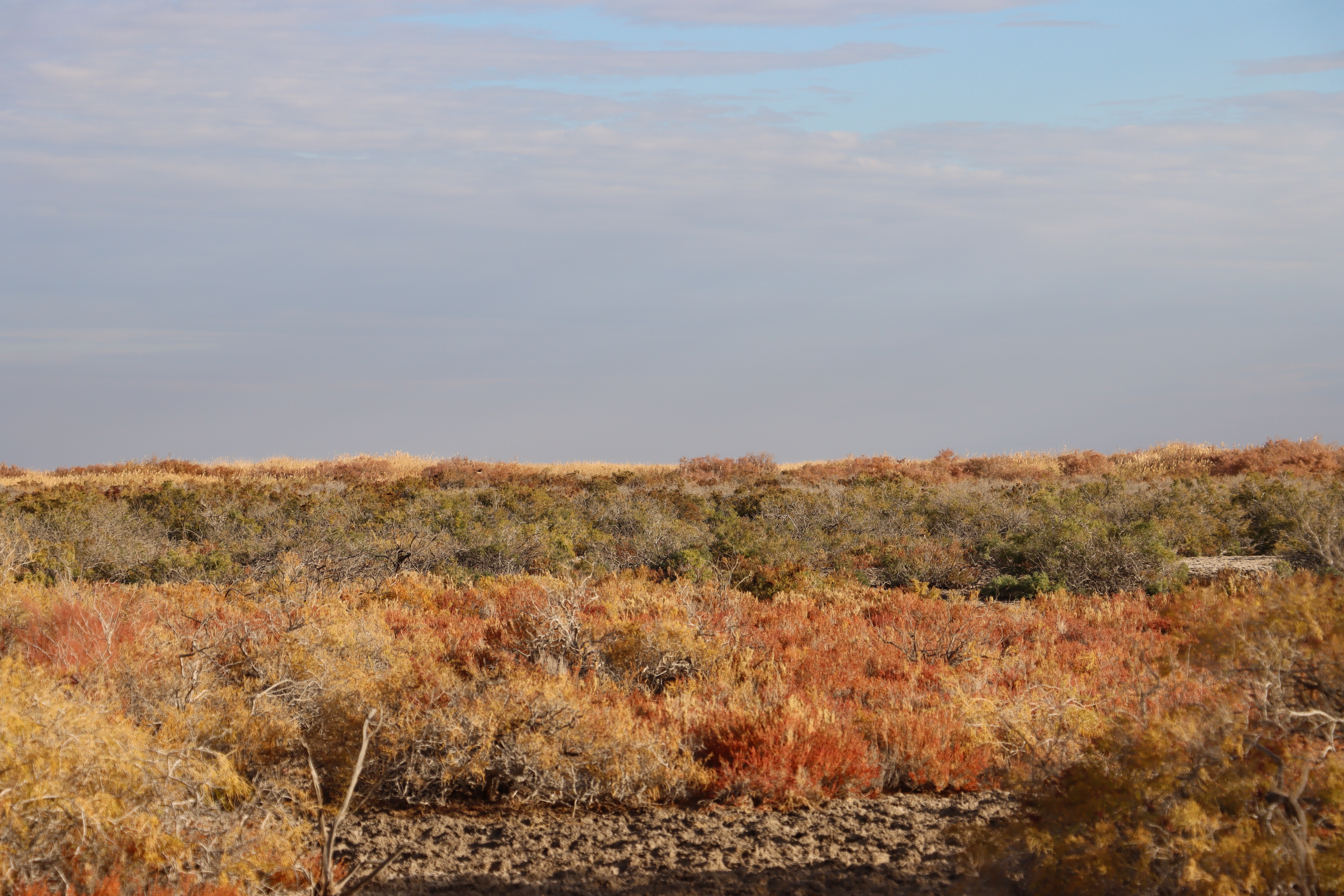
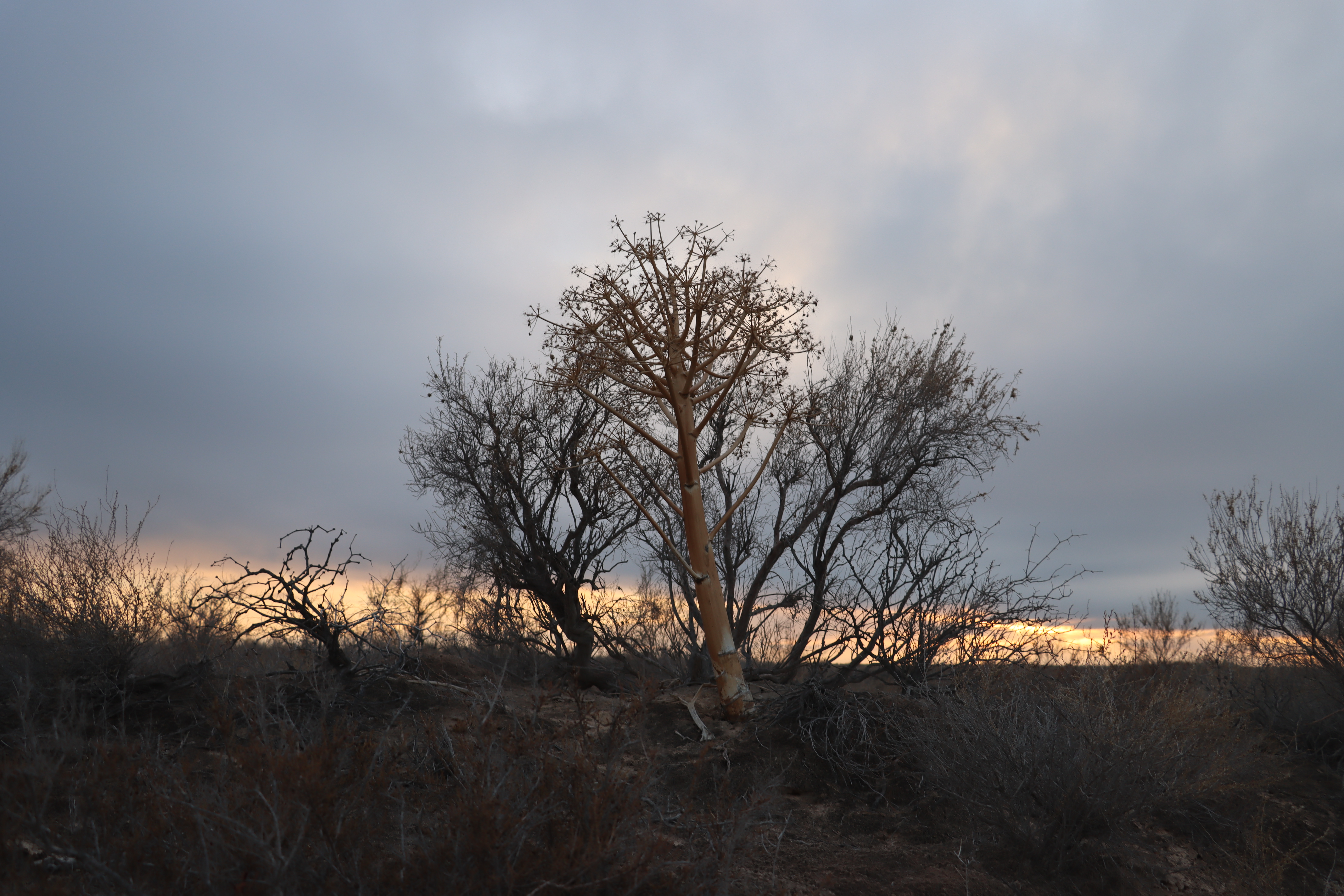
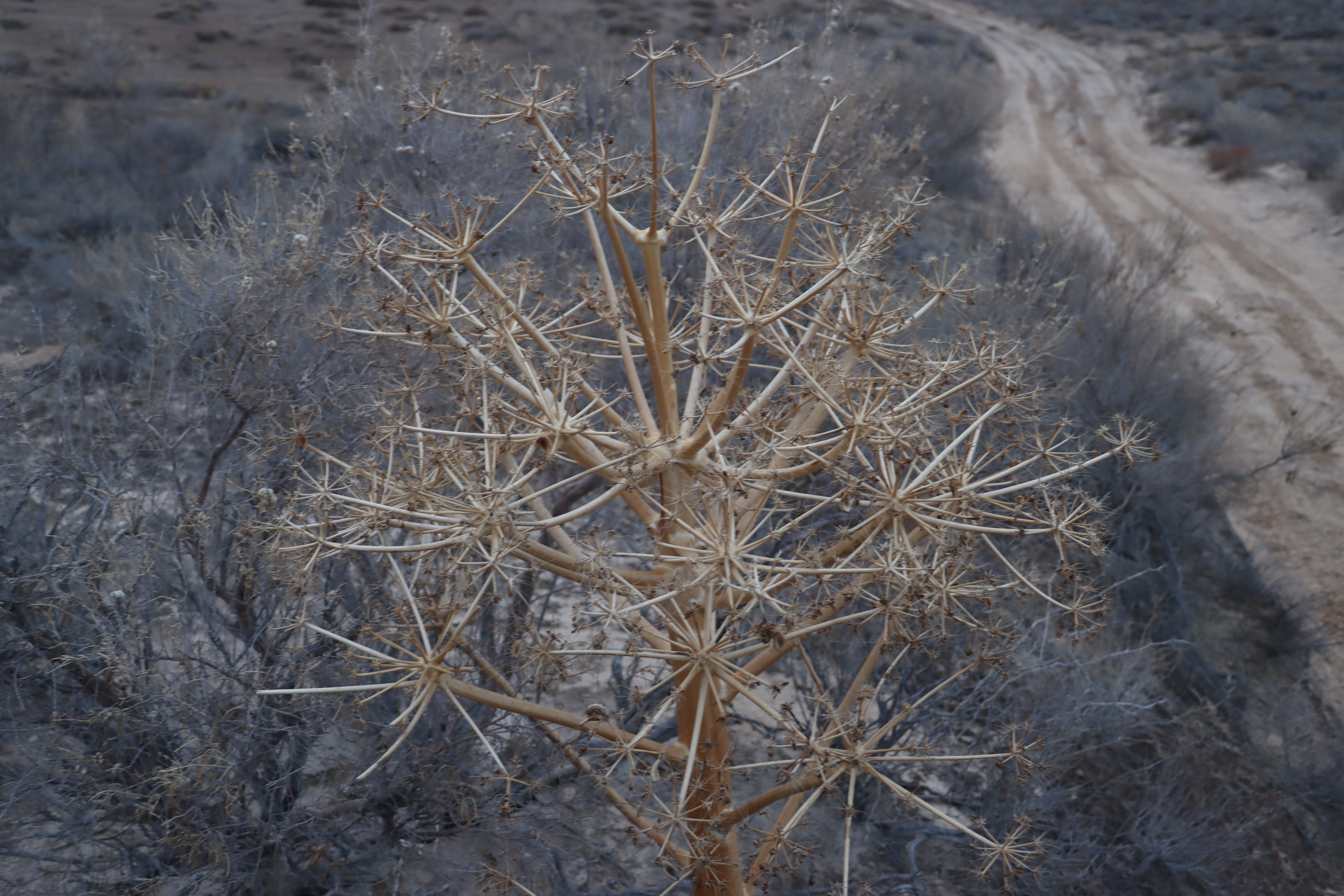
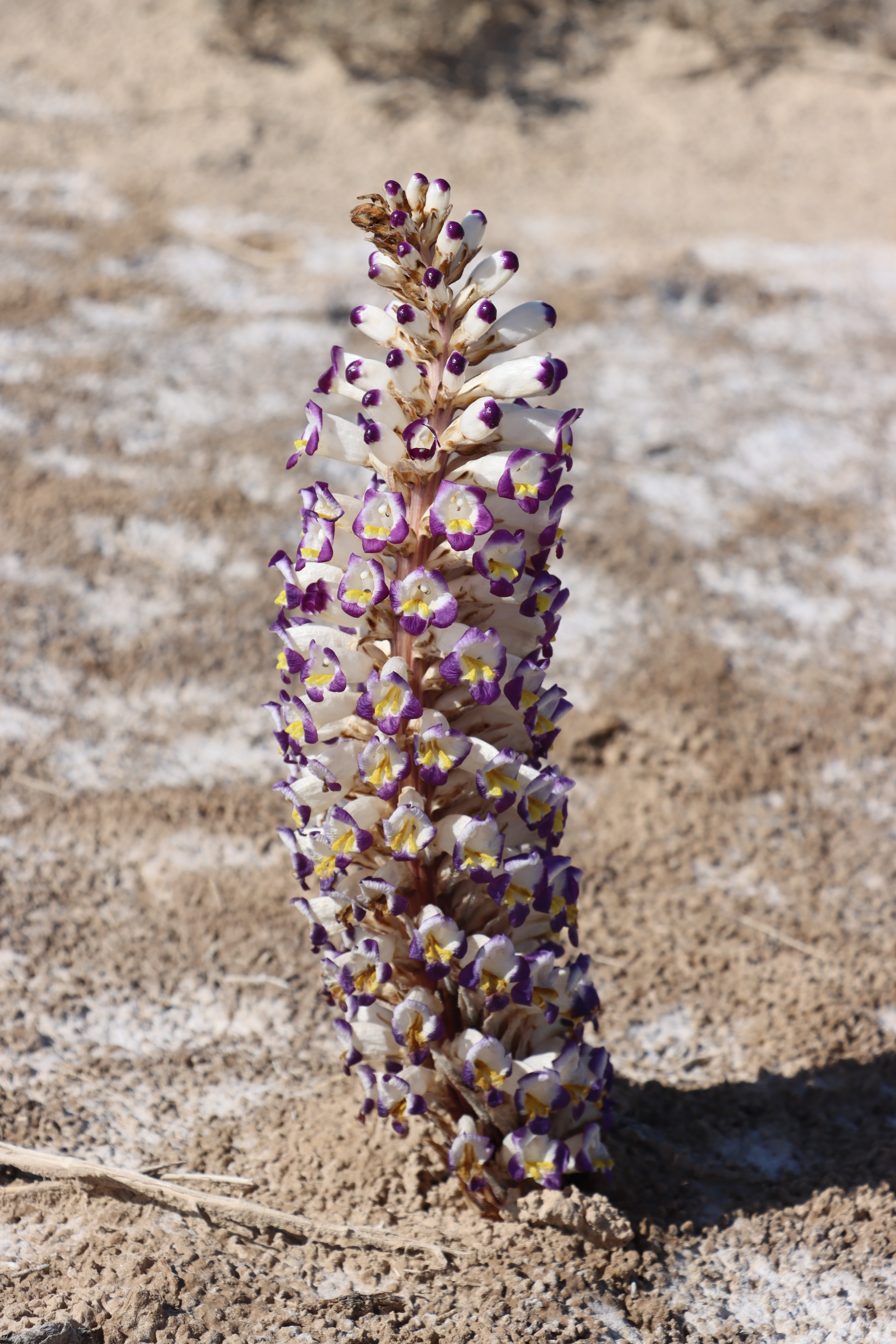
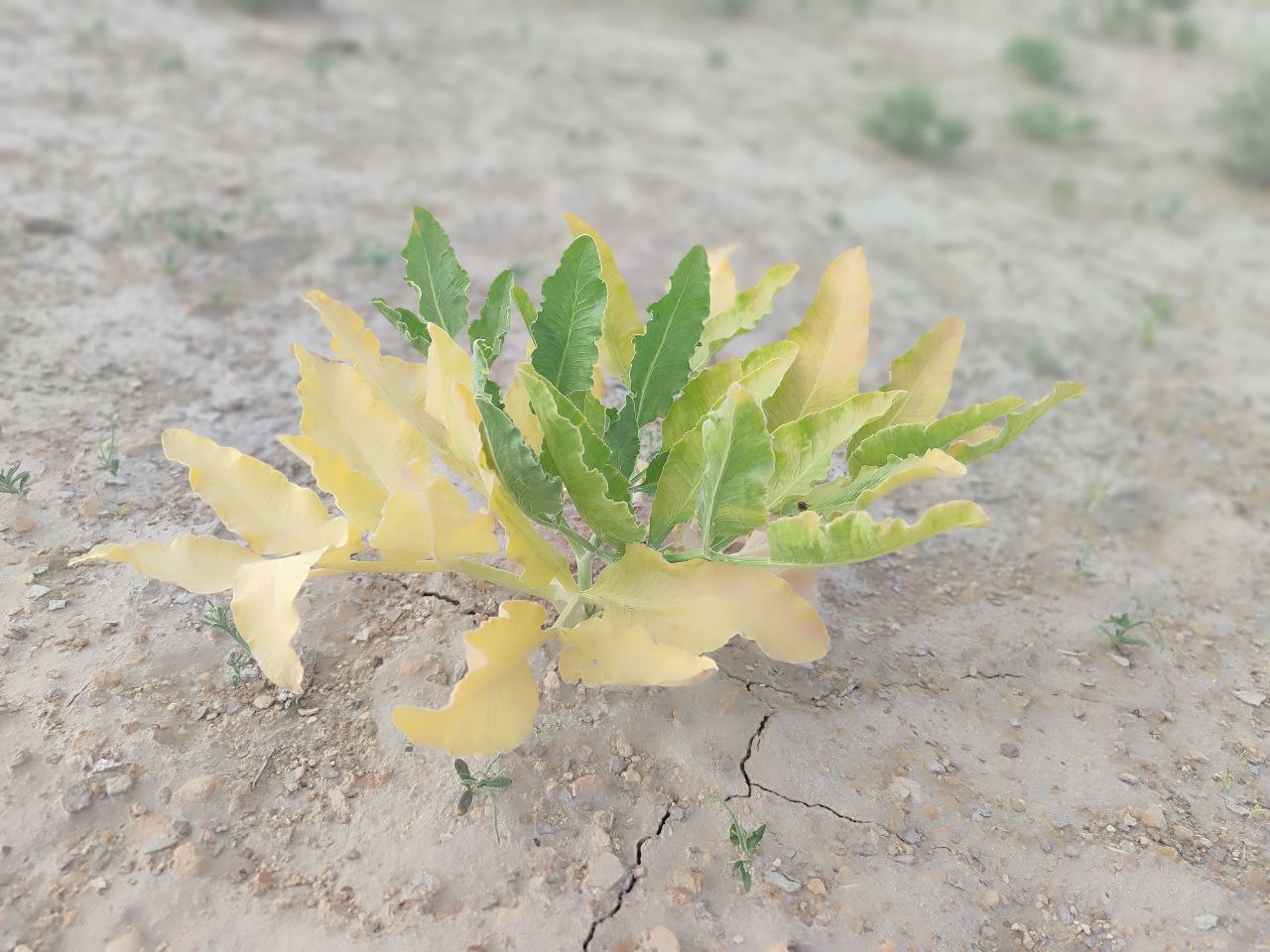
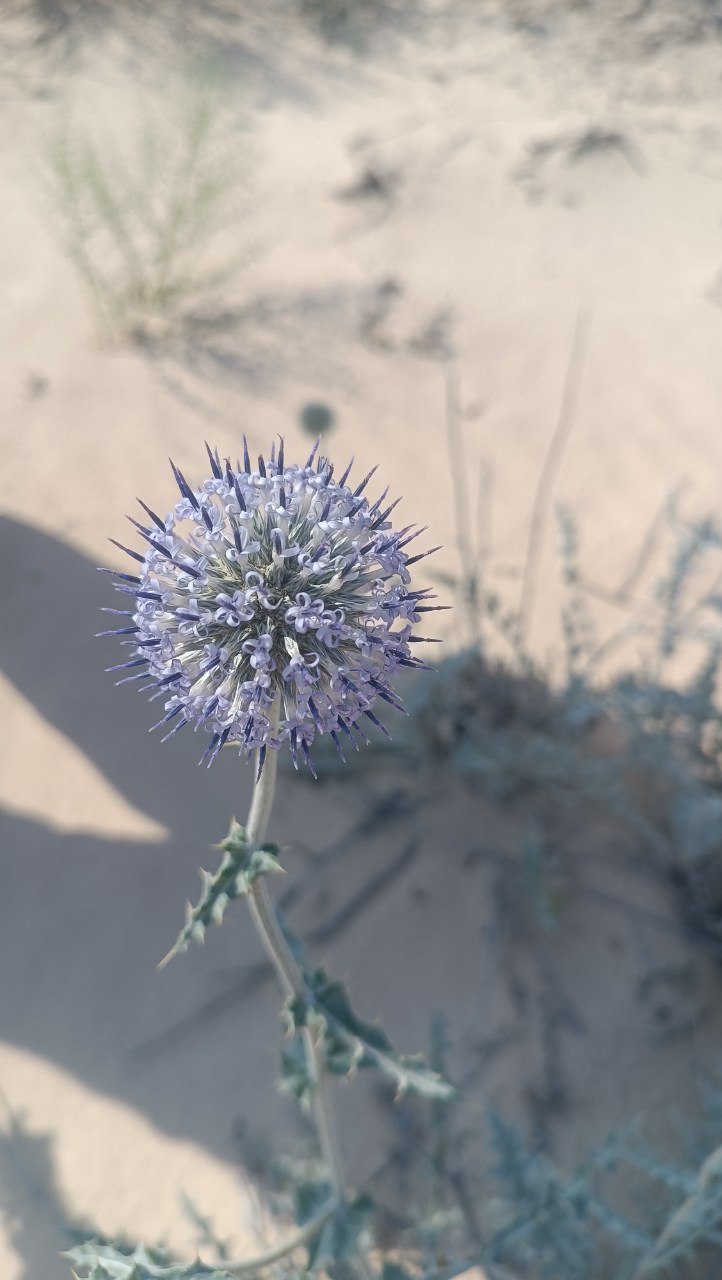
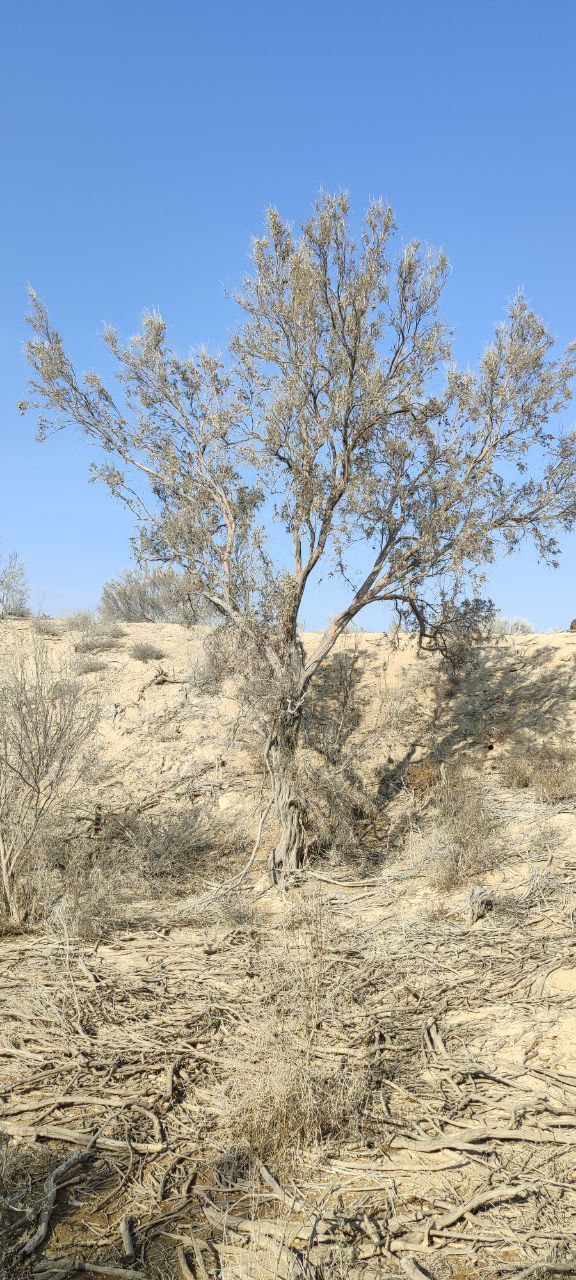
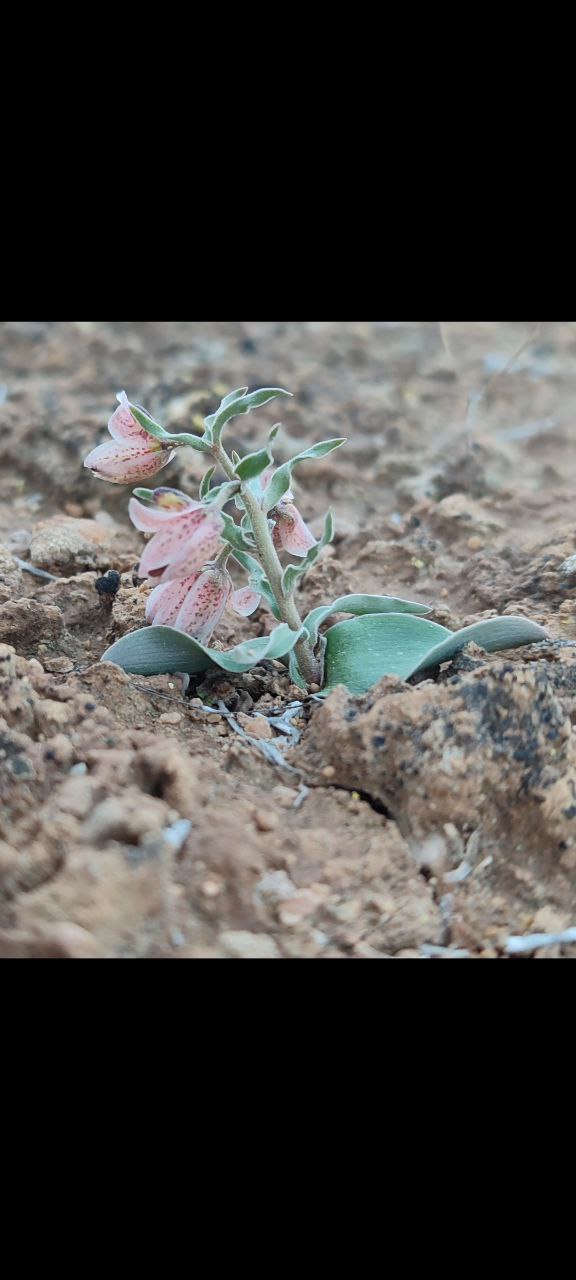
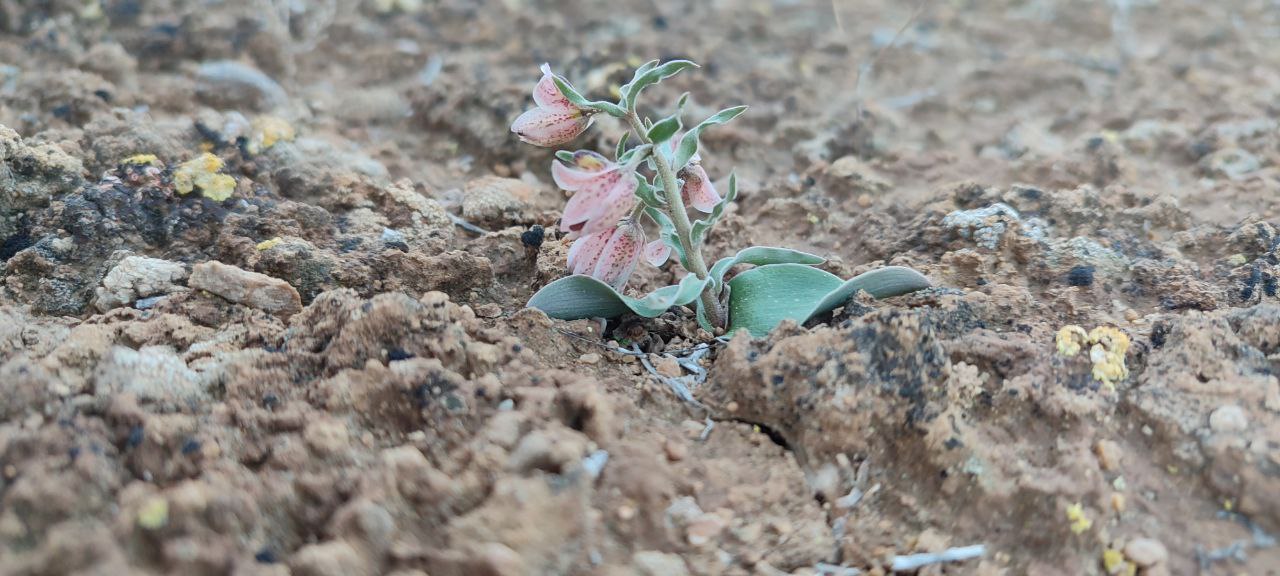
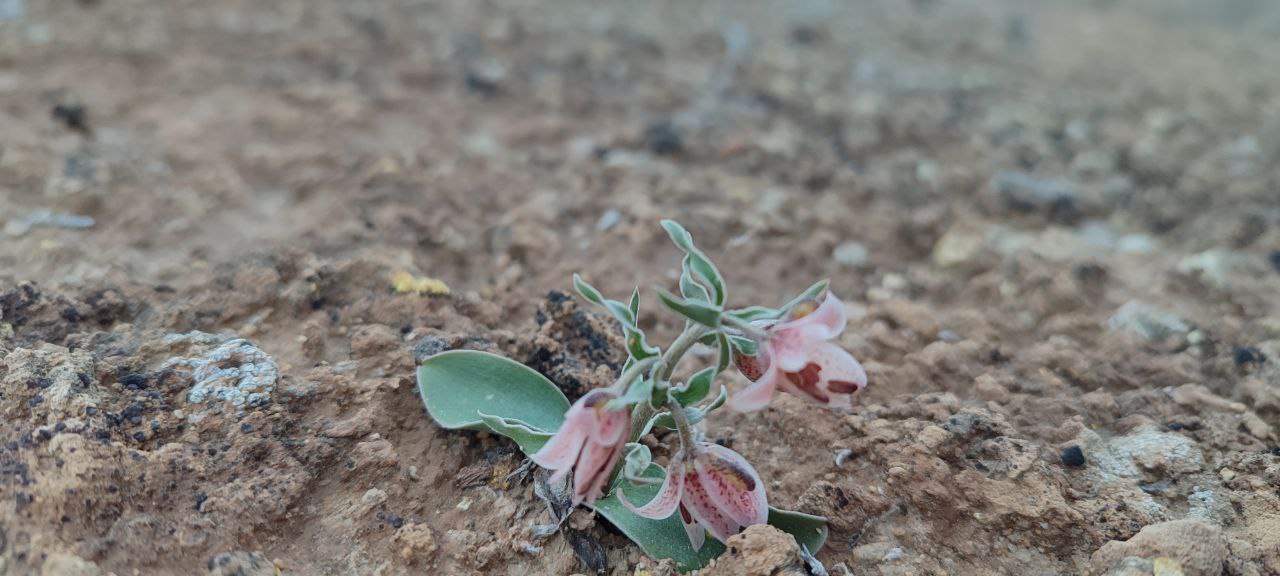
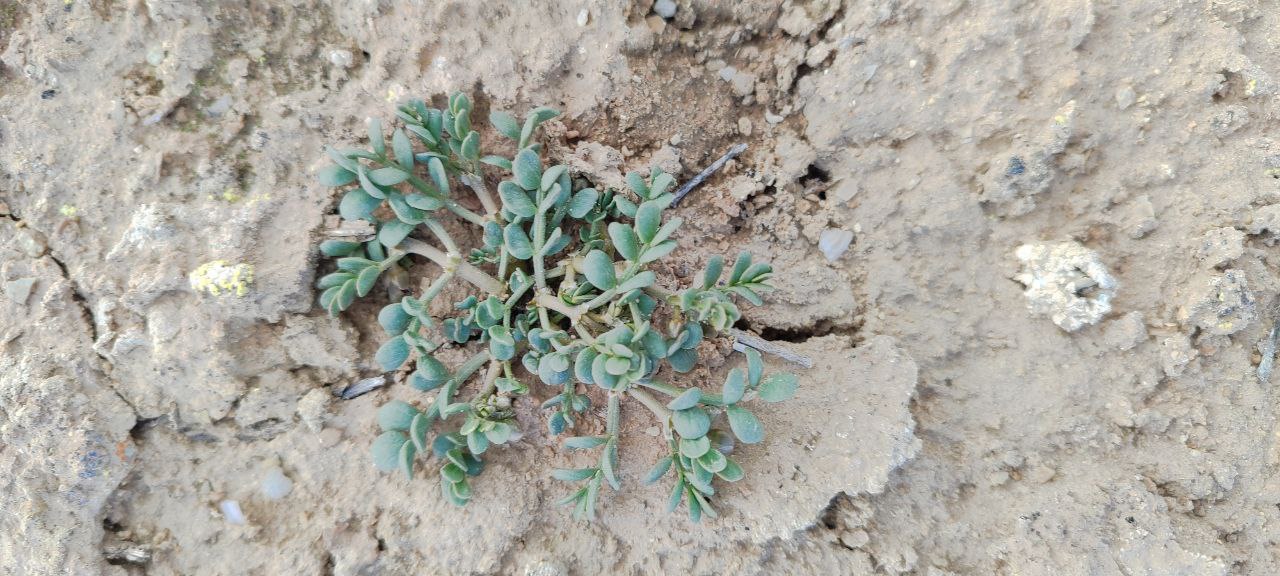
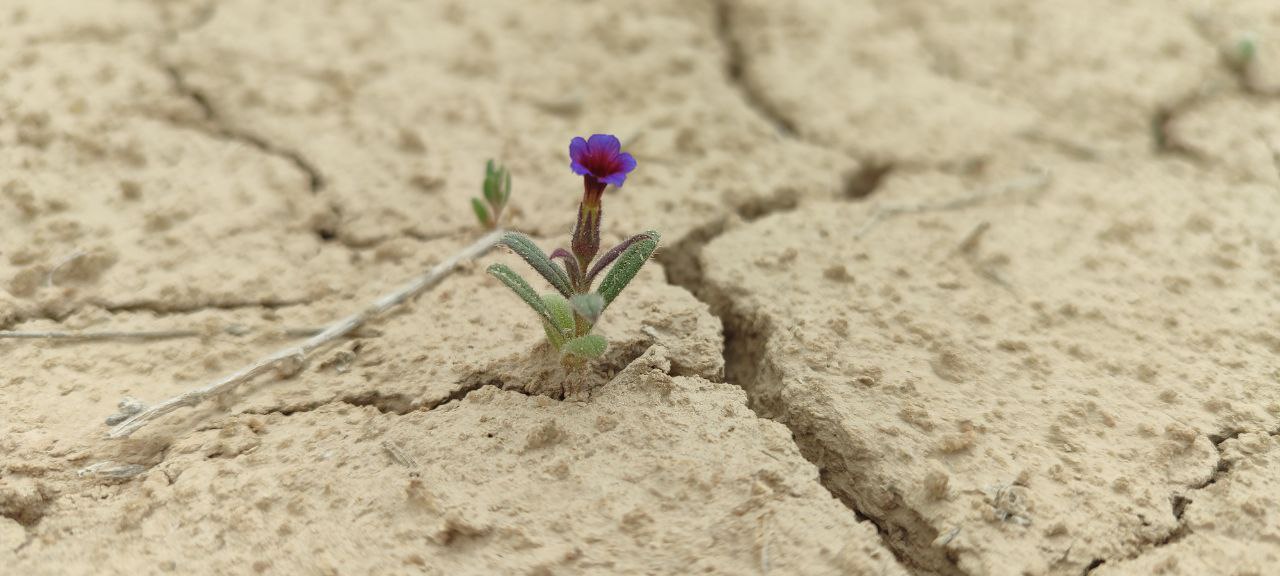
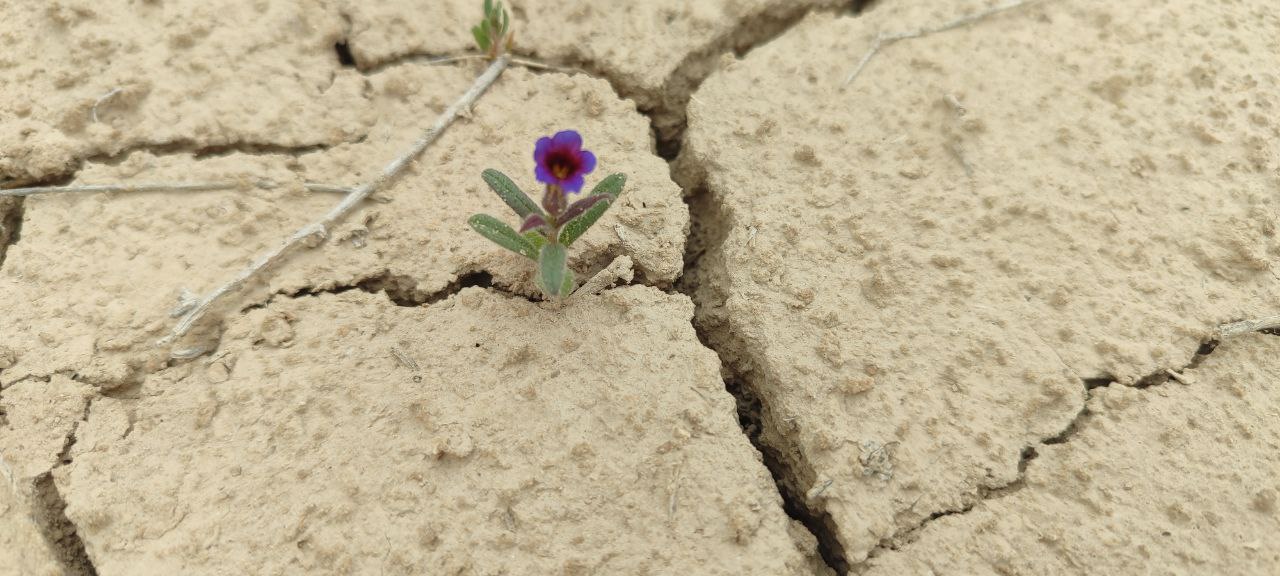
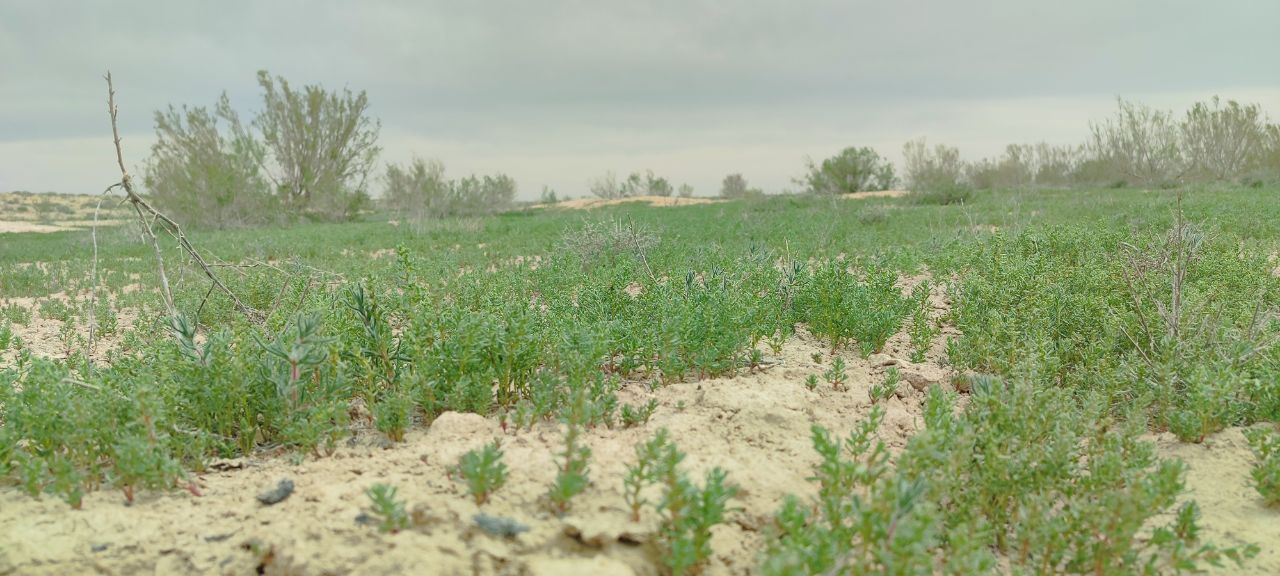
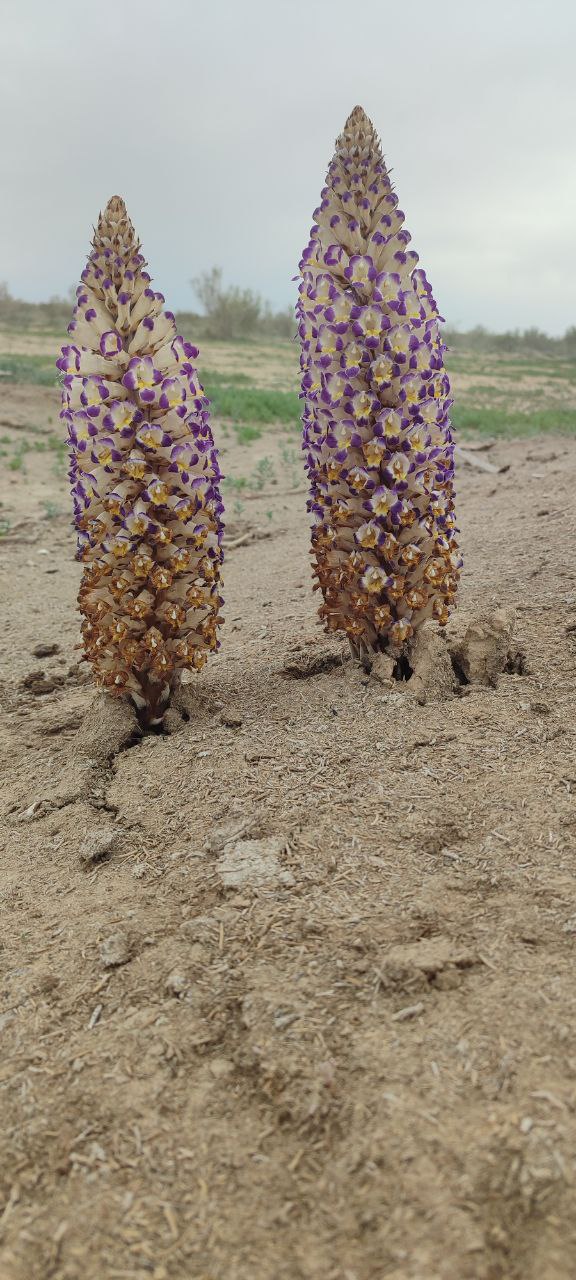
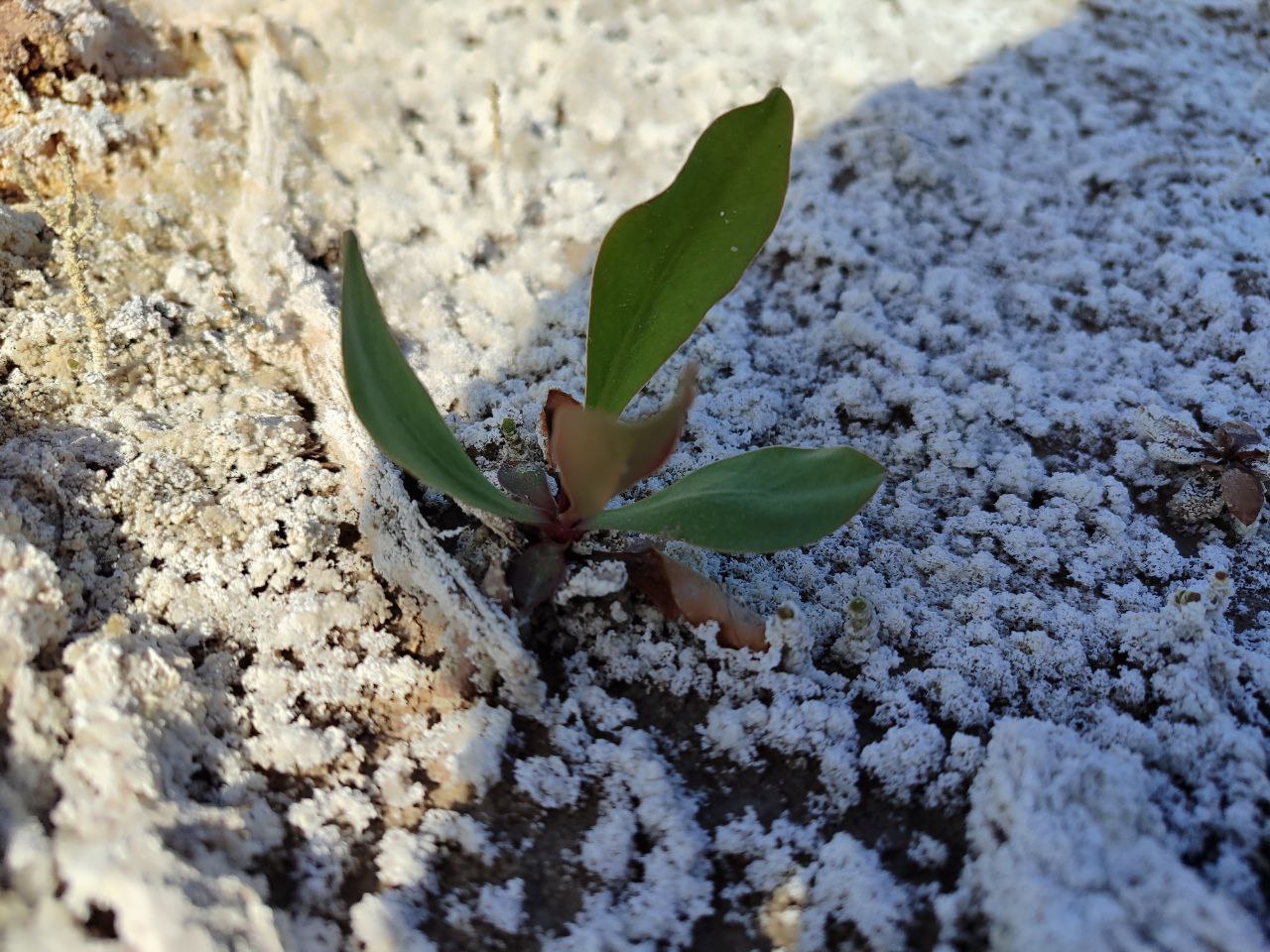
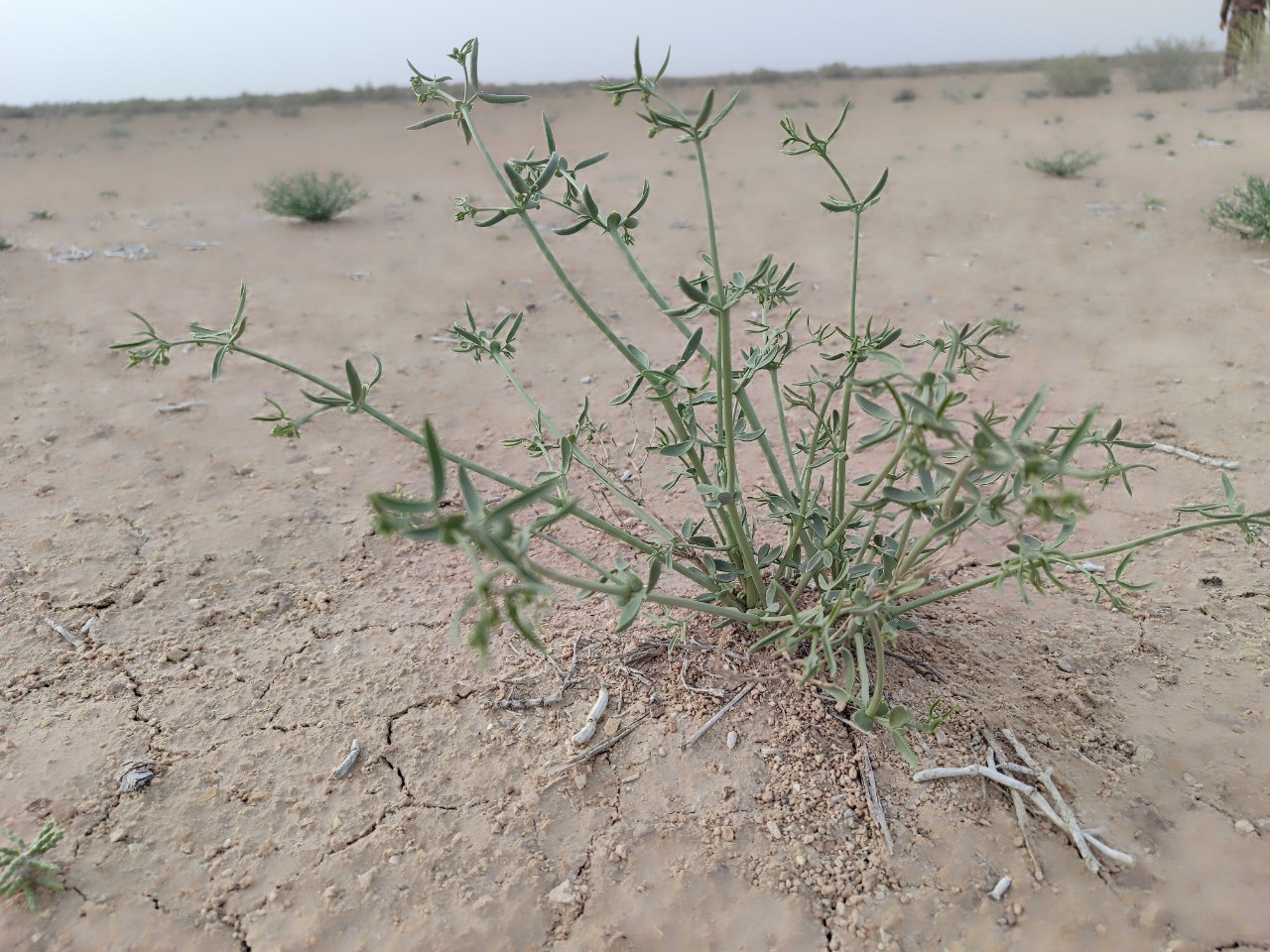
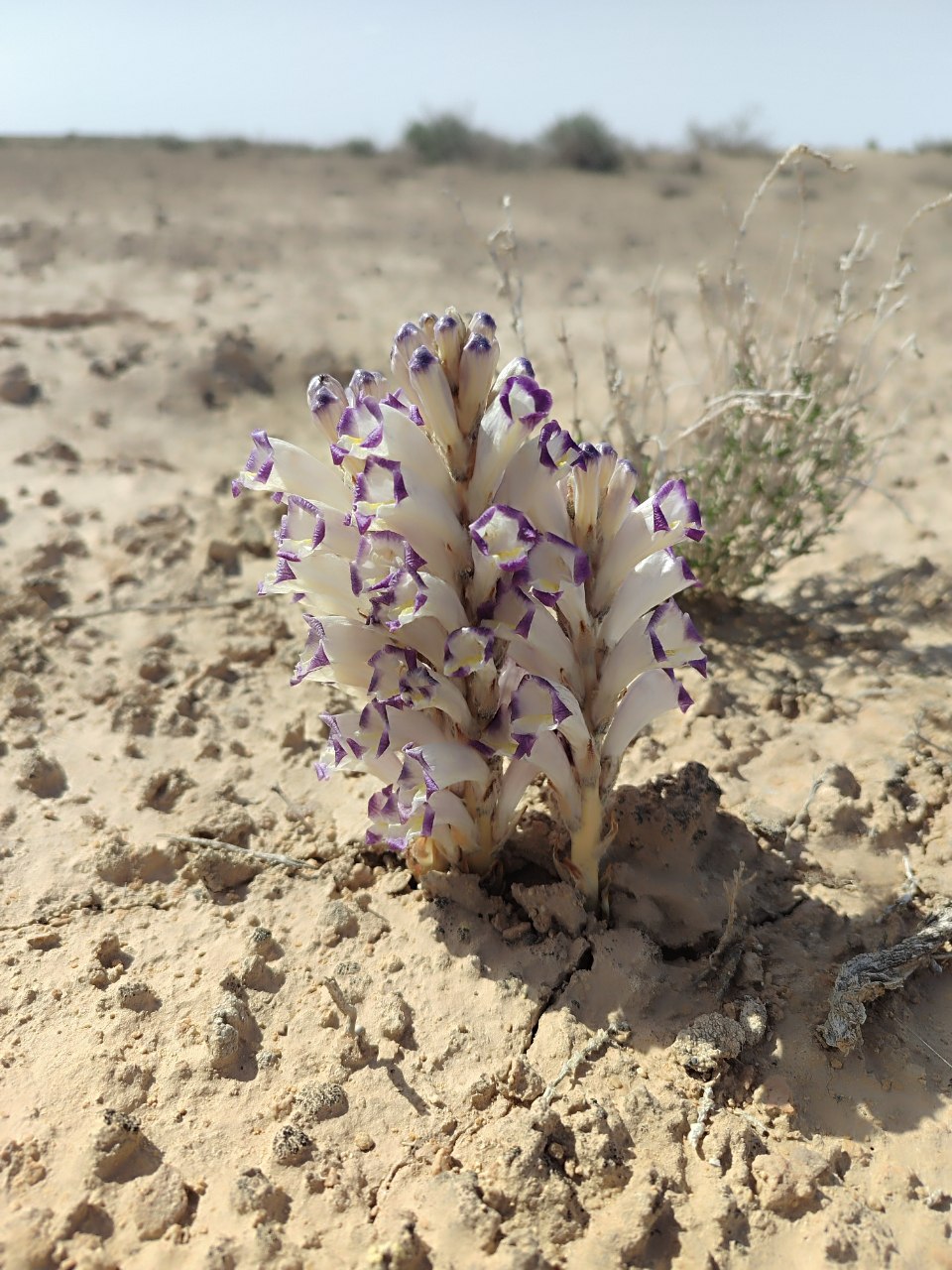
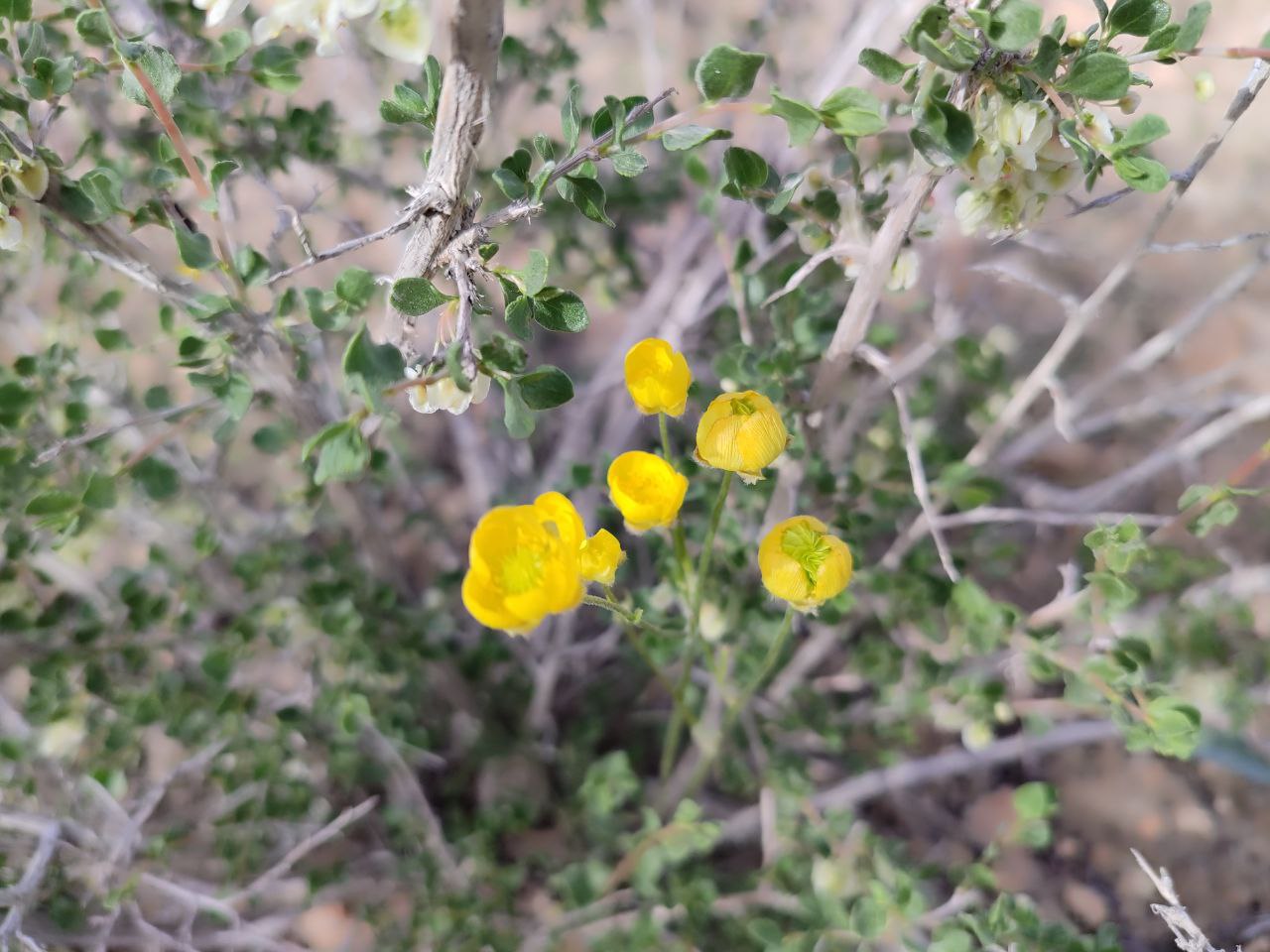
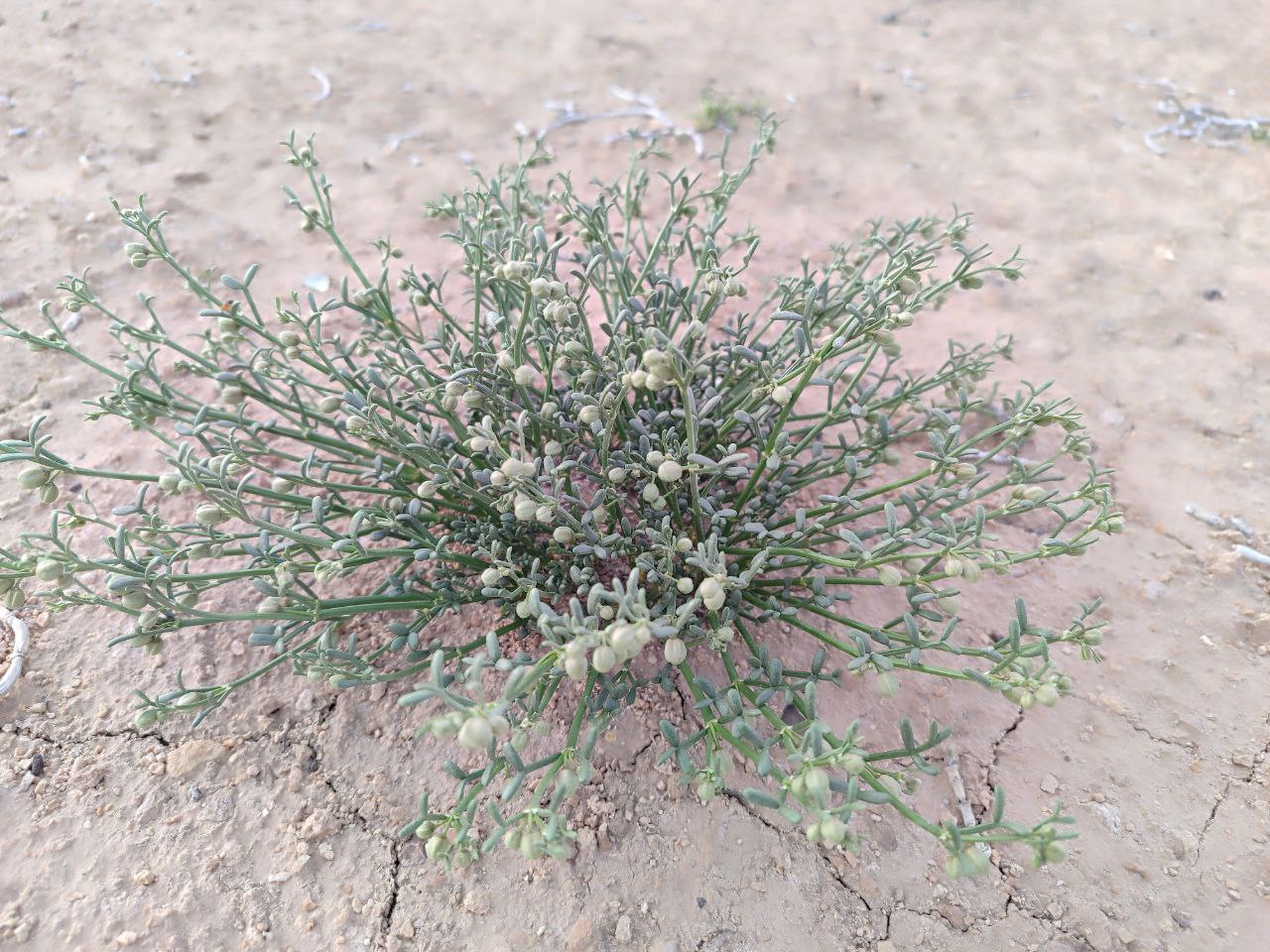
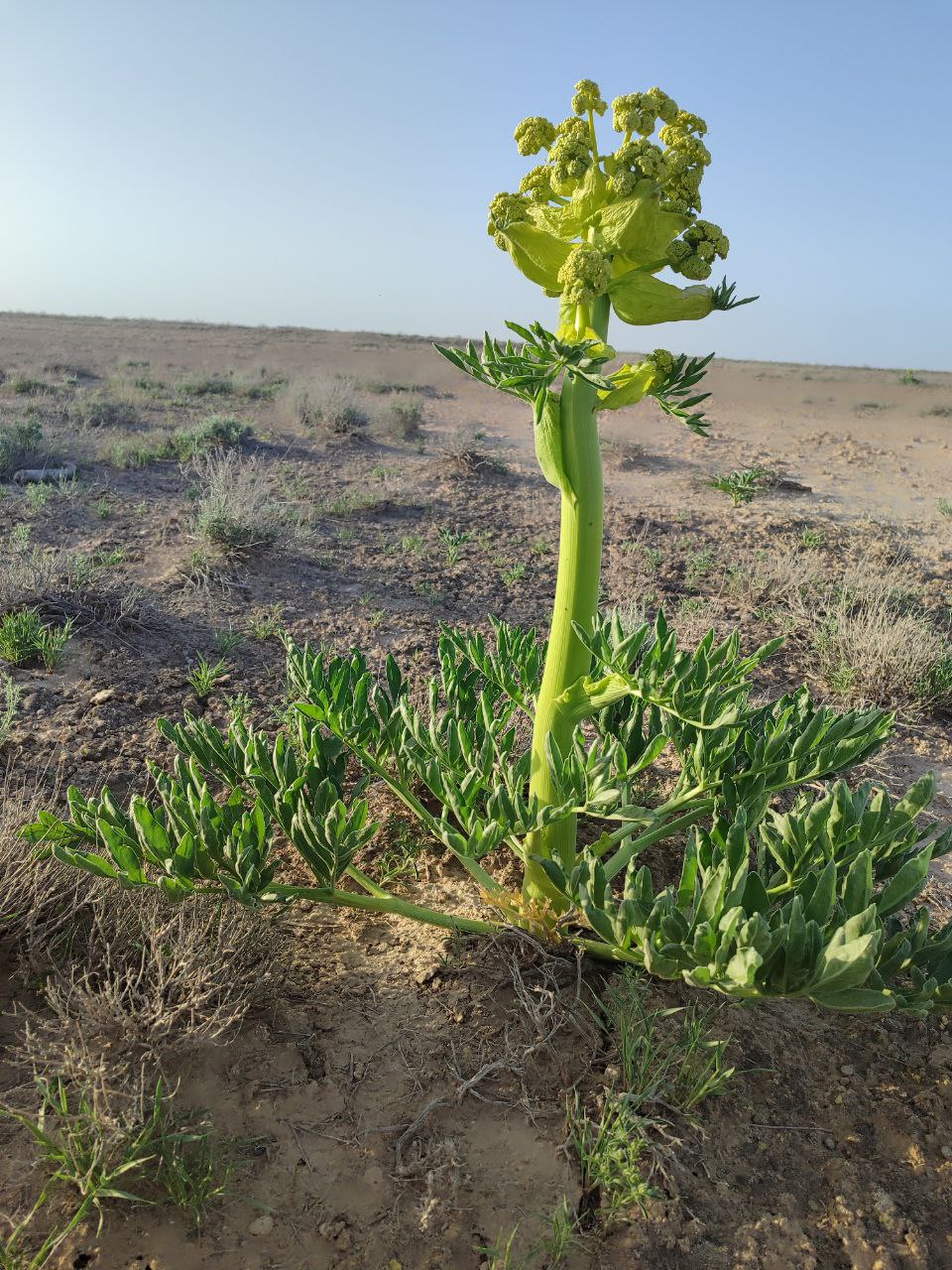
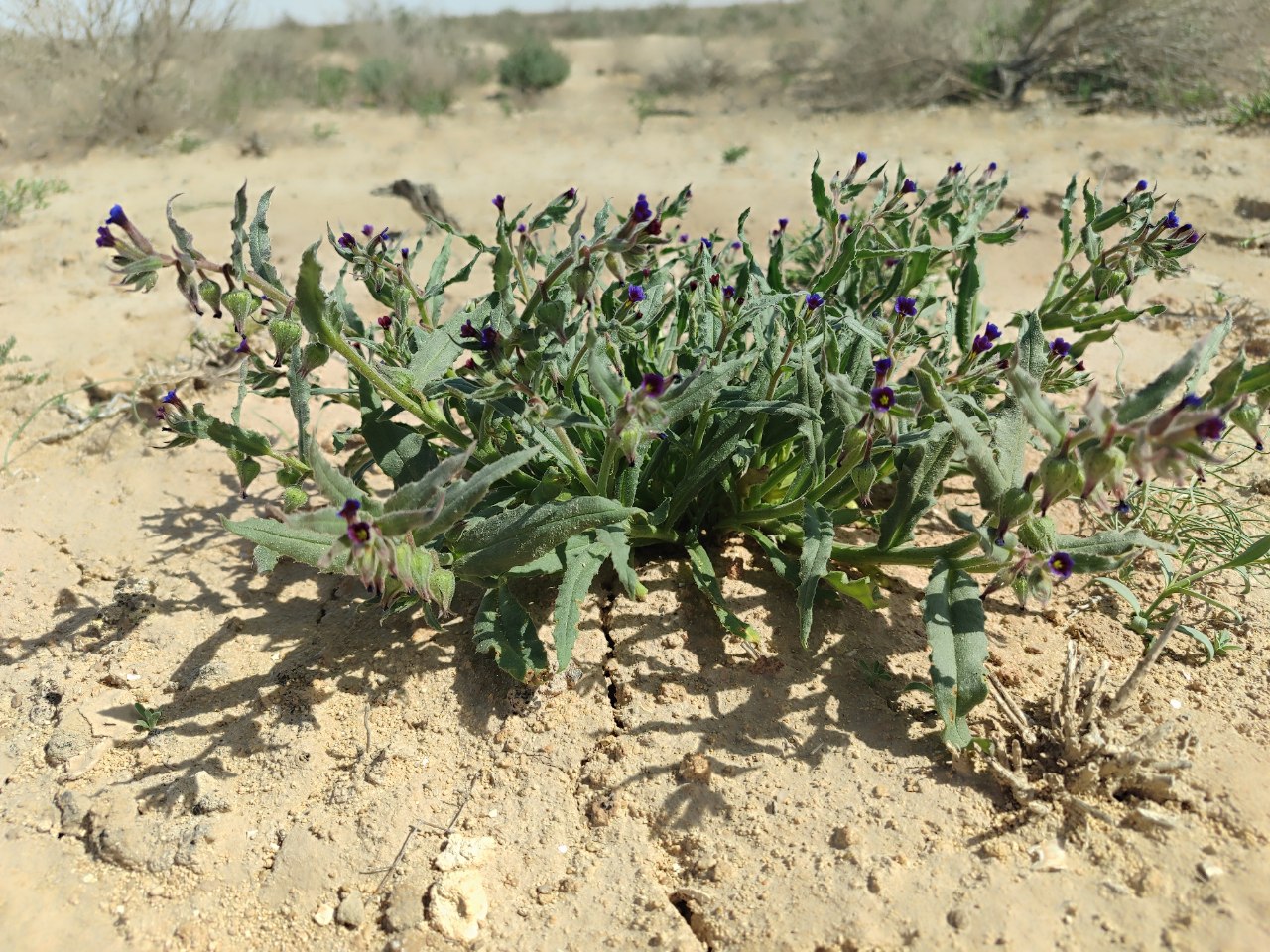
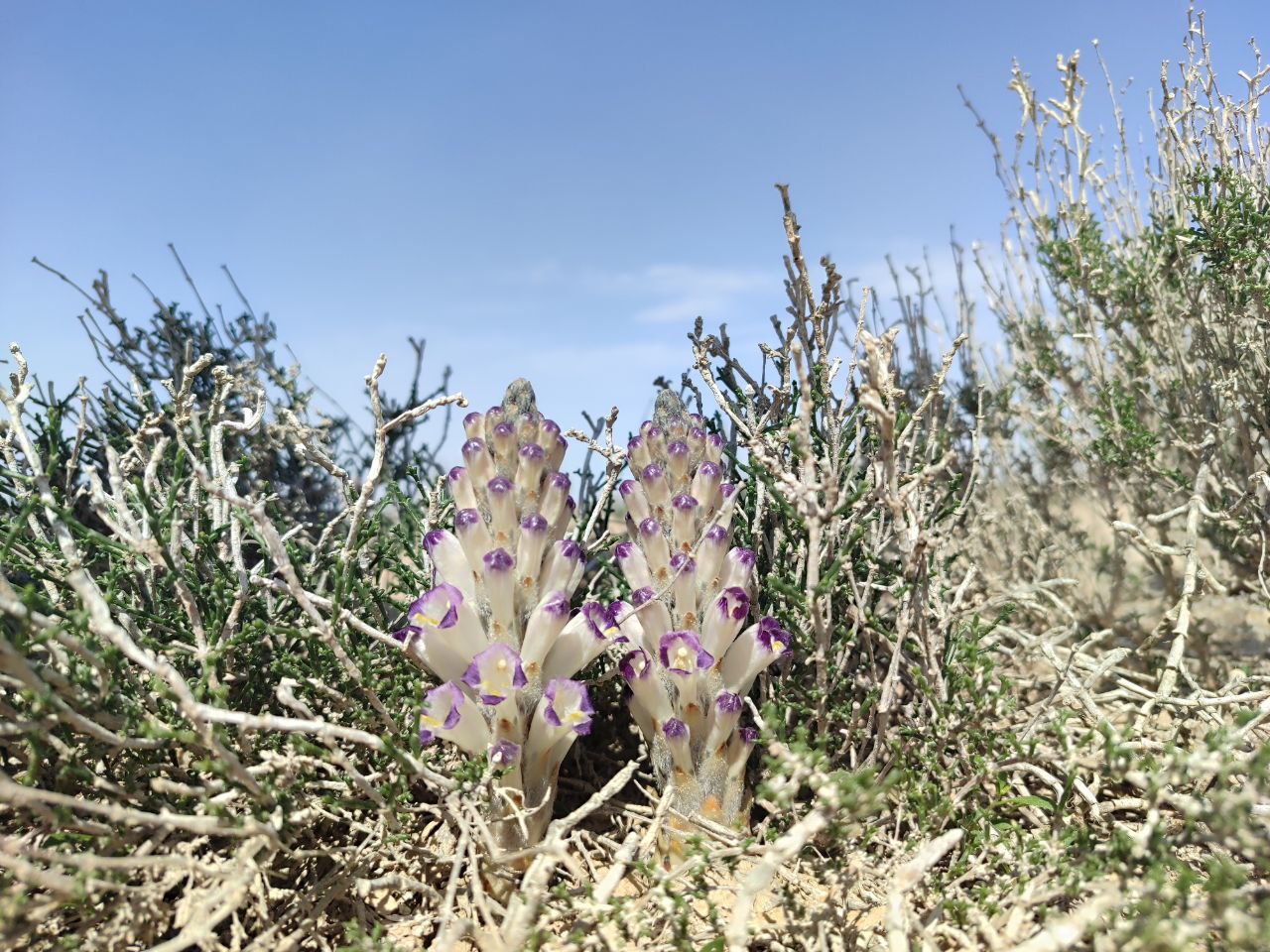
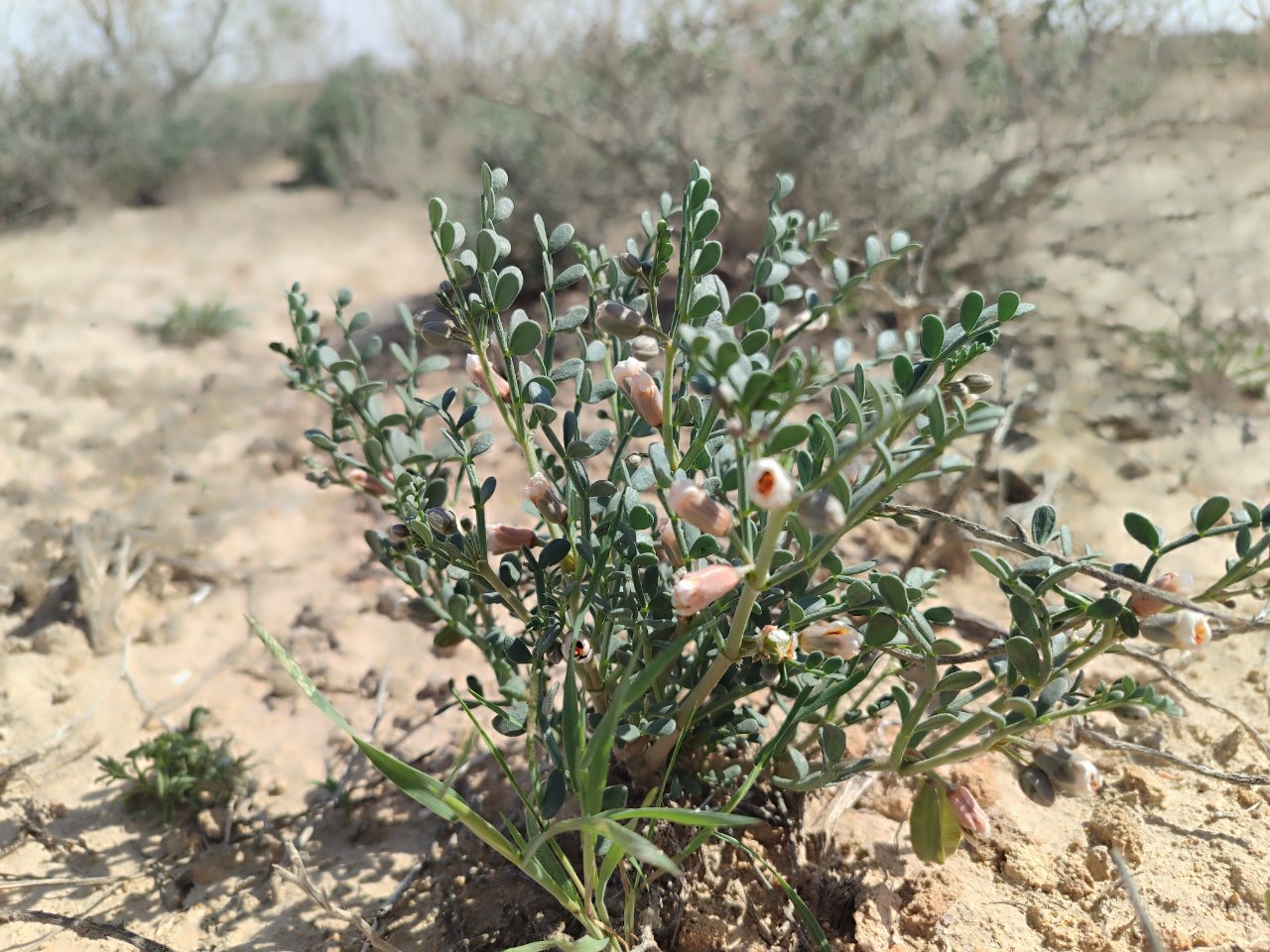
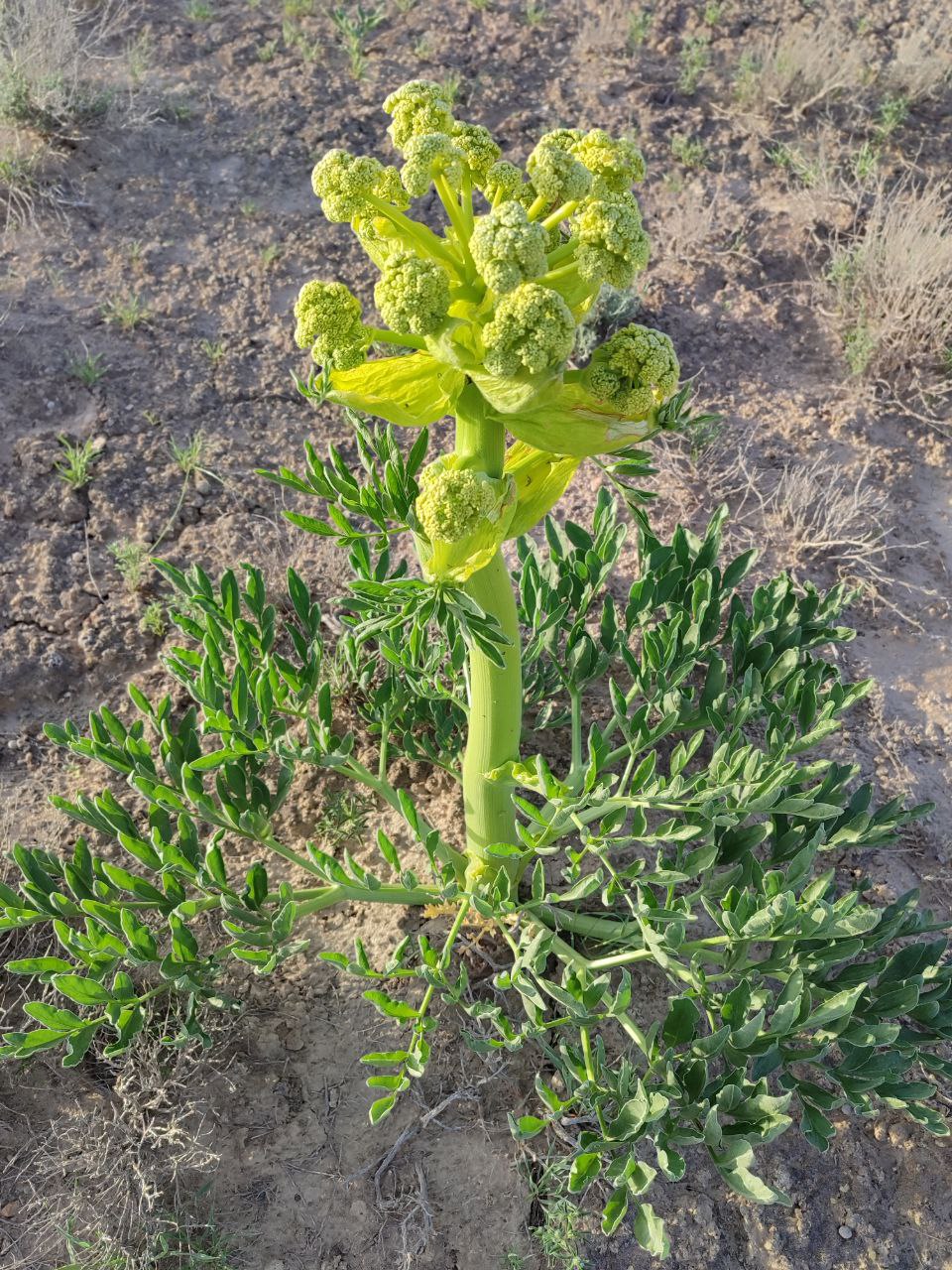
The region's vegetation includes white saxaul (Haloxylon persicum), black saxaul (Haloxylon ammodendron), saltbush (Salsola chiwensis), Tamarix, camelthorn, spiny milkweed, and other species. Two rare and endangered plant species listed in the Red Book of Uzbekistan are particularly noteworthy:
- Khiva saltbush (Salsola chiwensis M.Pop), a relic species found in northern Uzbekistan.
- Goblet-shaped milkweed (Euphorbia sclerocyathium Korovin et Popov).
Although relatively intact, the vegetation cover is at risk of degradation due to human activities, leading to intensified soil erosion and the spread of salt and sand particles across the Aral Sea region.
Fauna
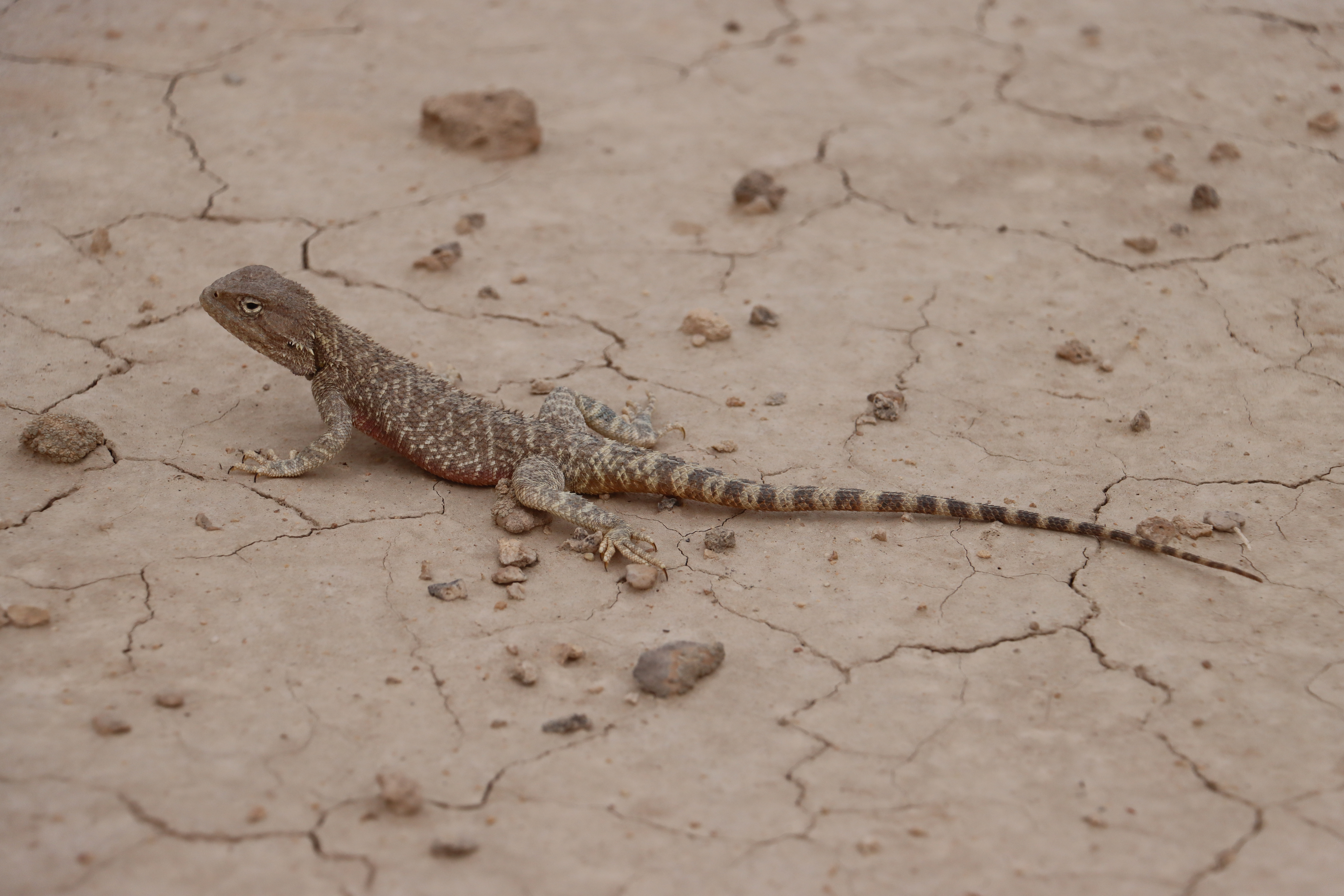
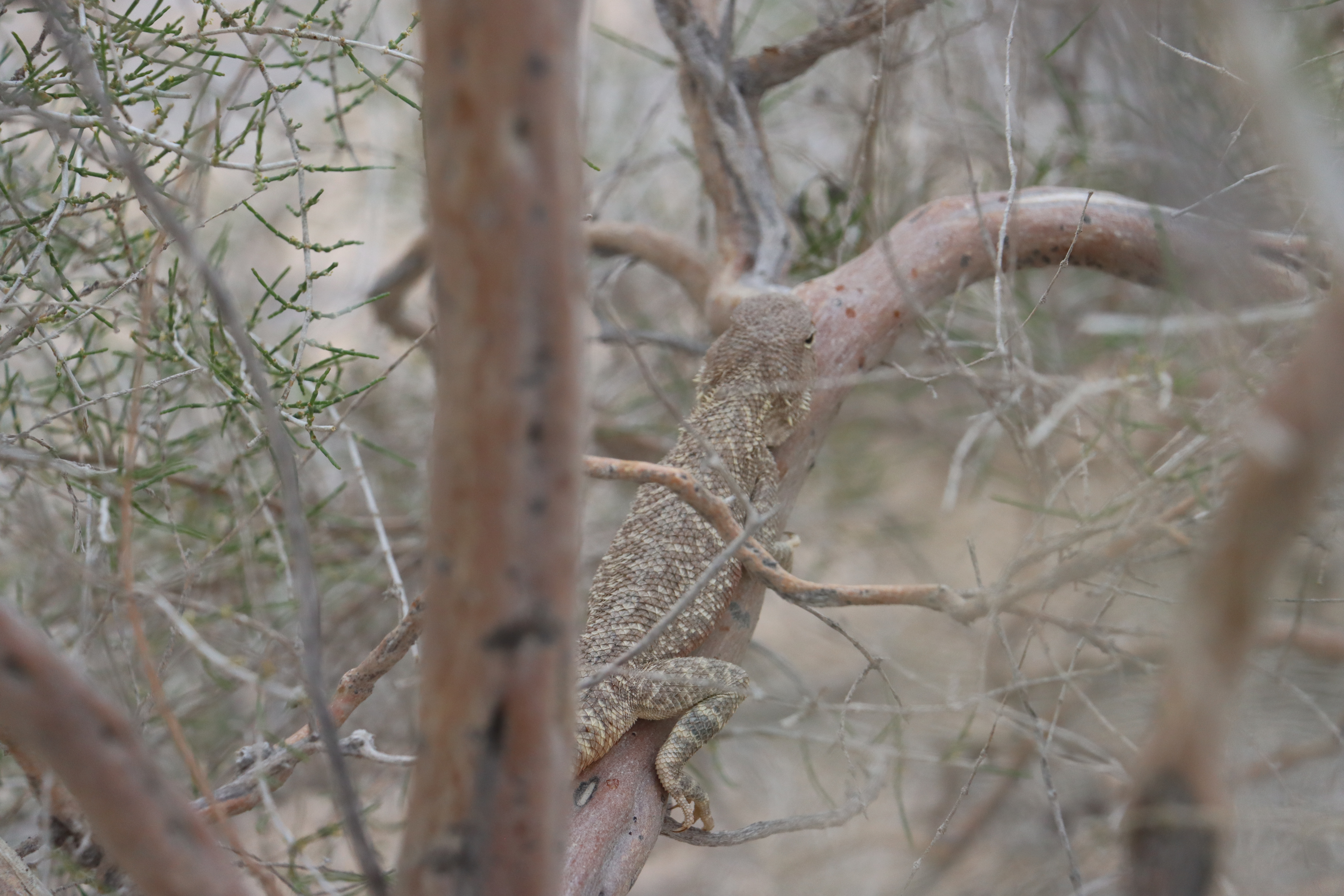
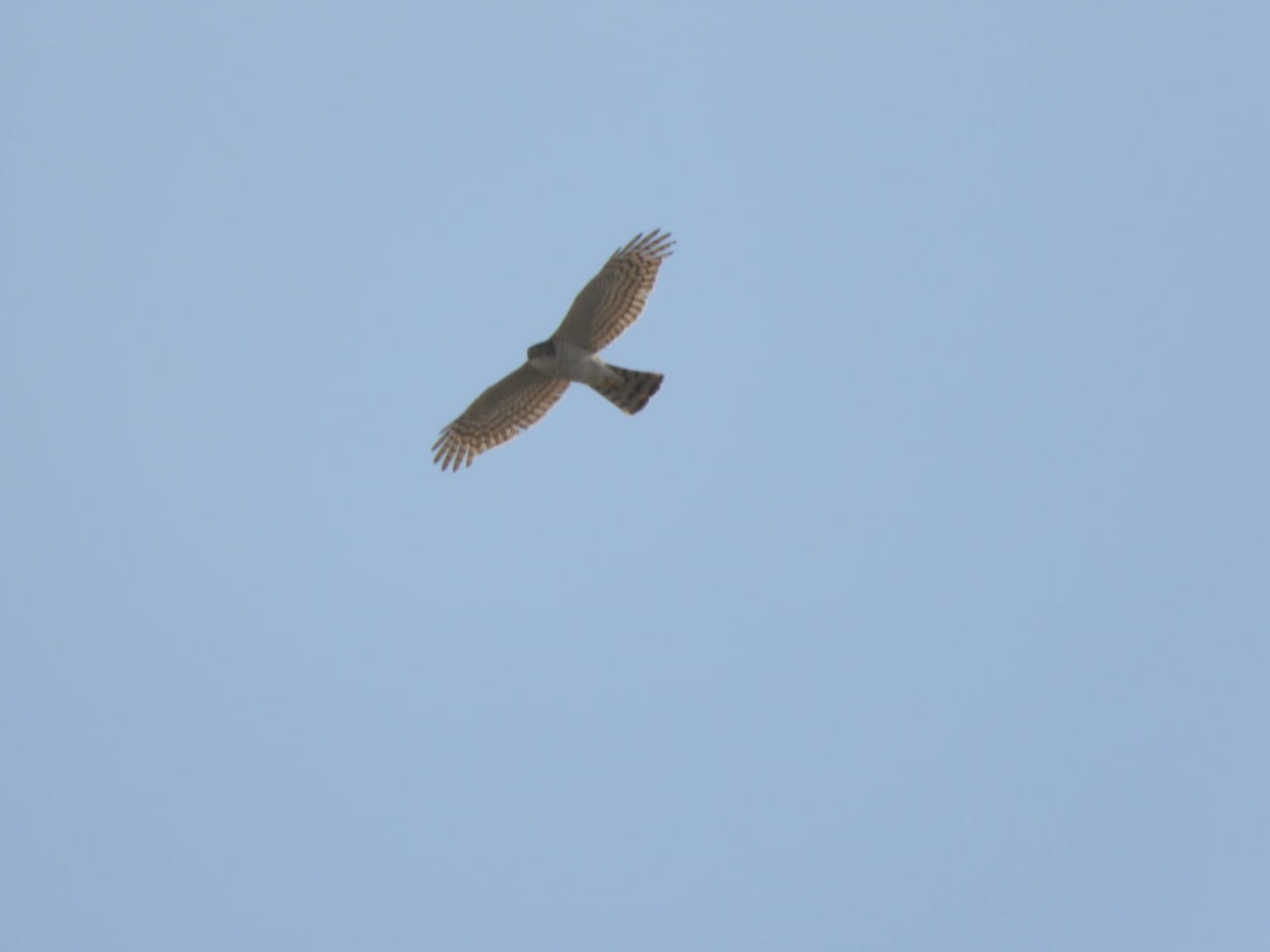
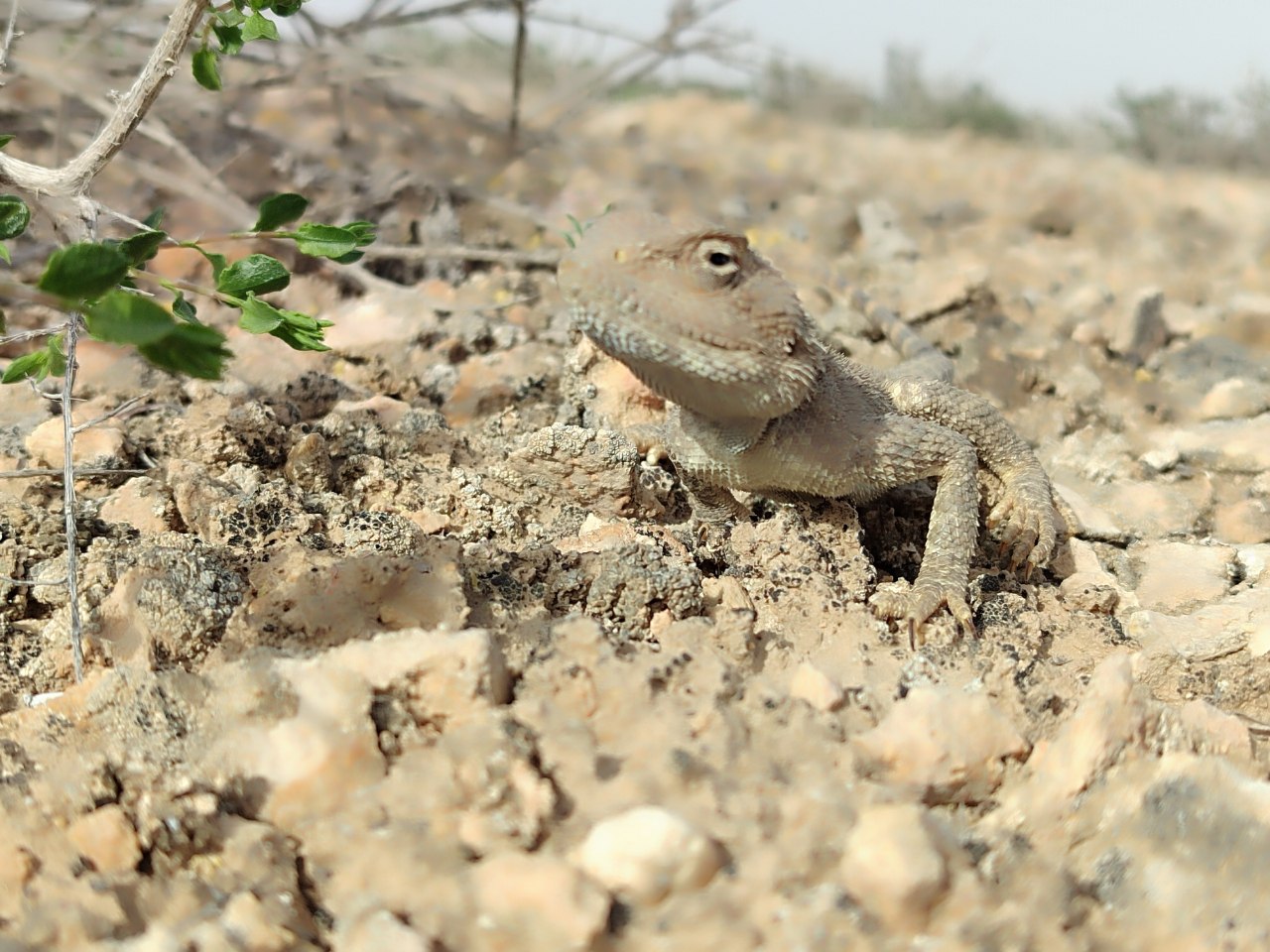
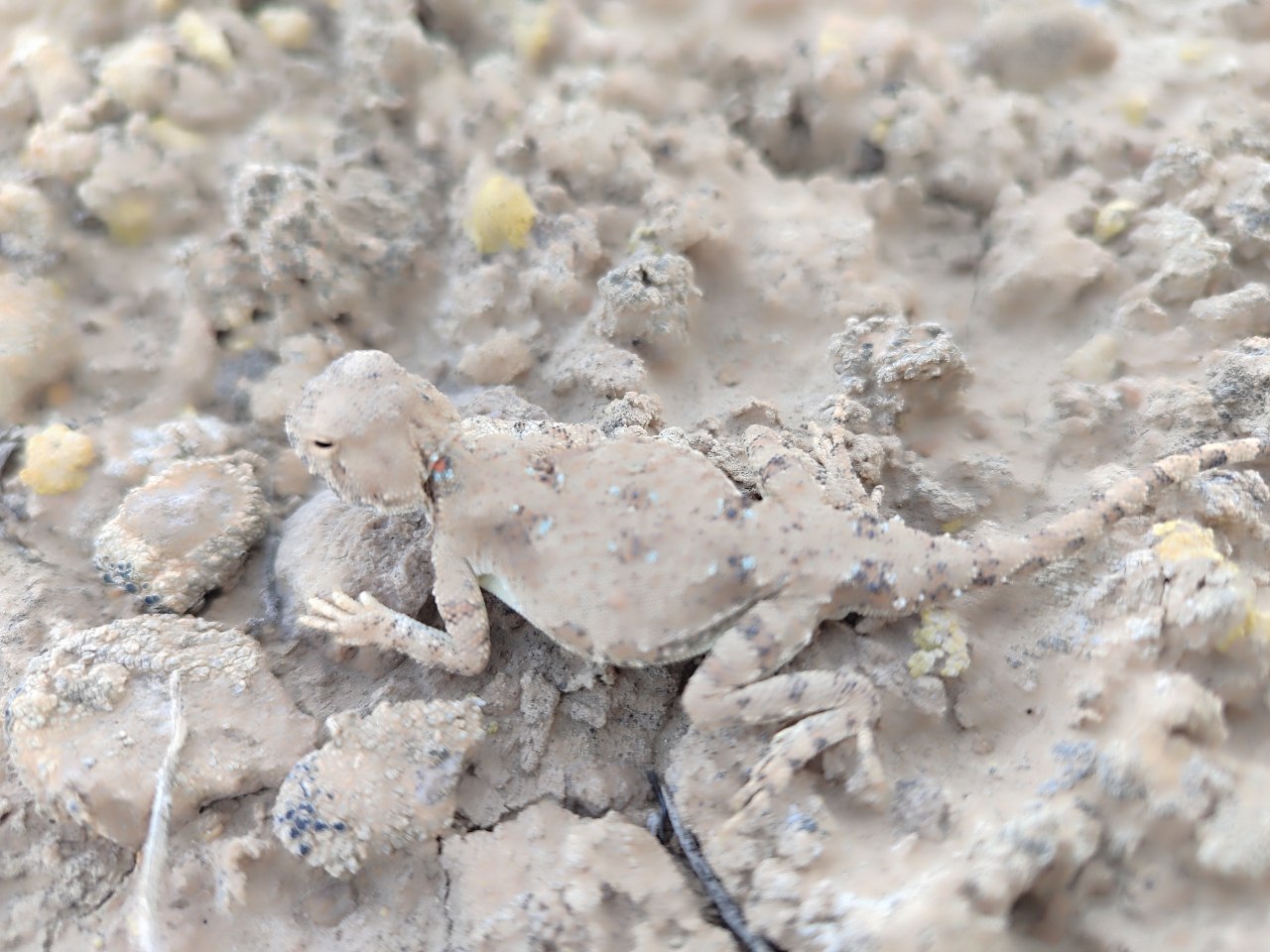
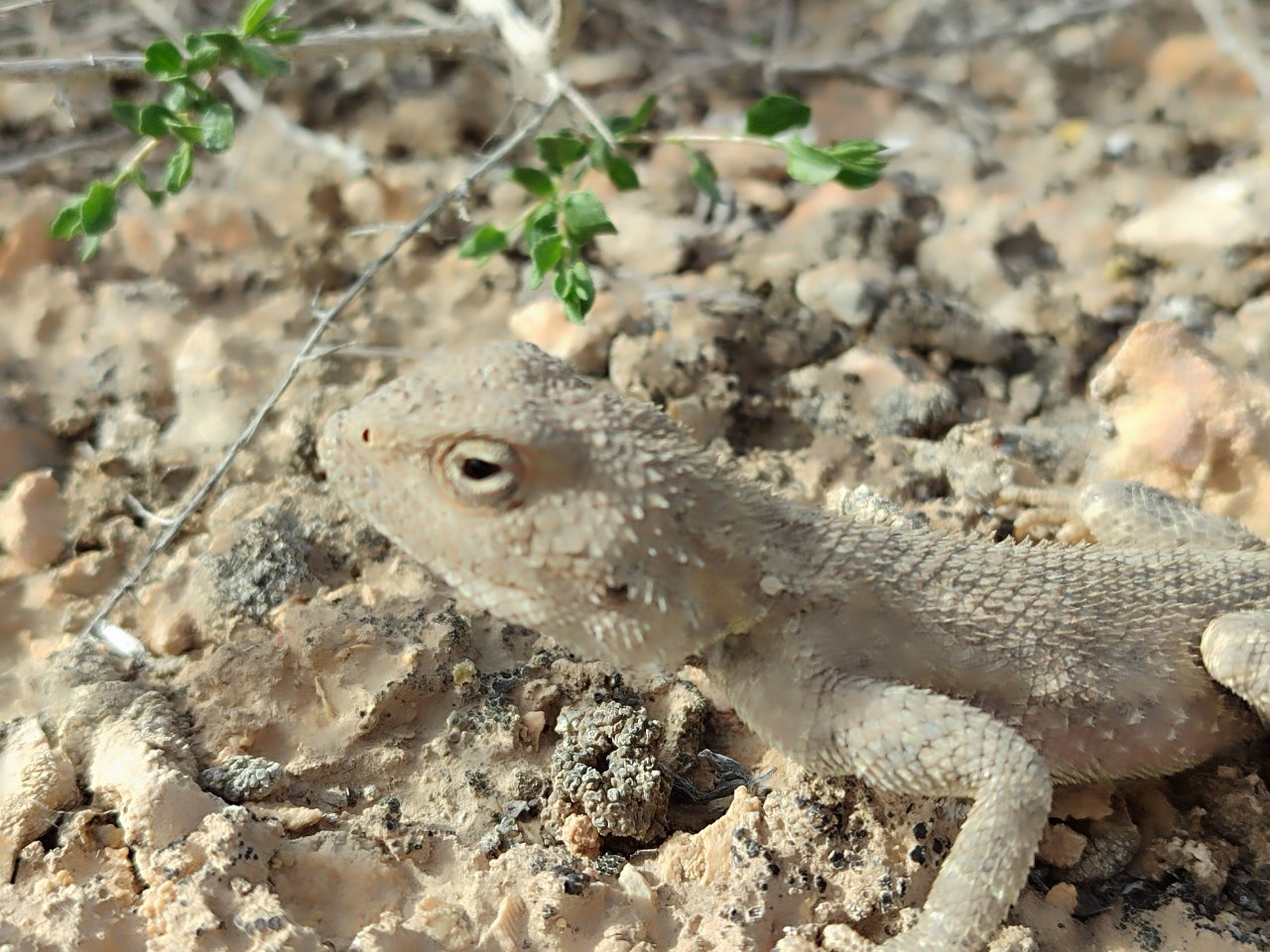
The Barsakelmes Depression falls within the Ustyurt district of the Palearctic region. The area is home to a diverse range of wildlife, including animals listed in the Red Book of Uzbekistan:
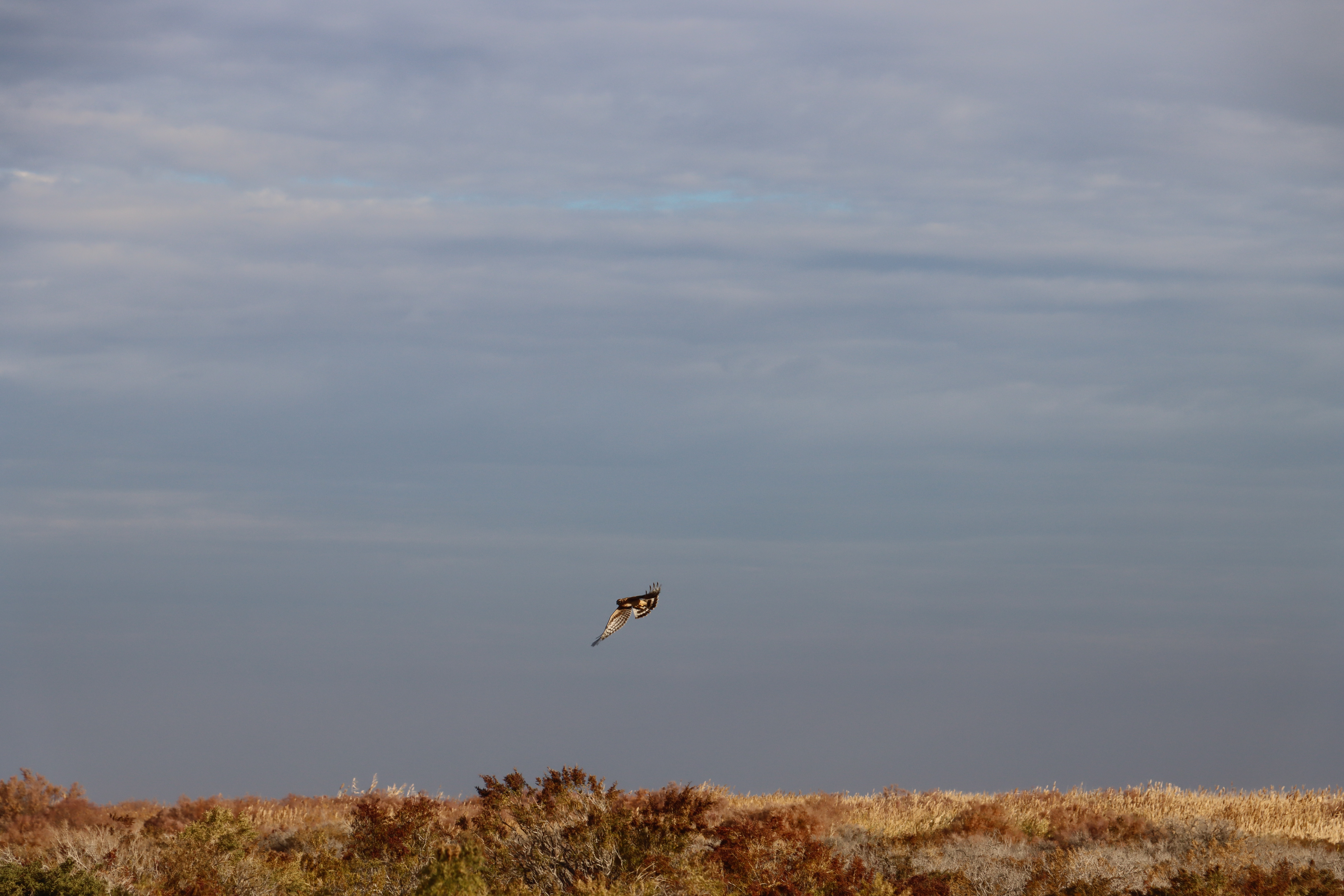
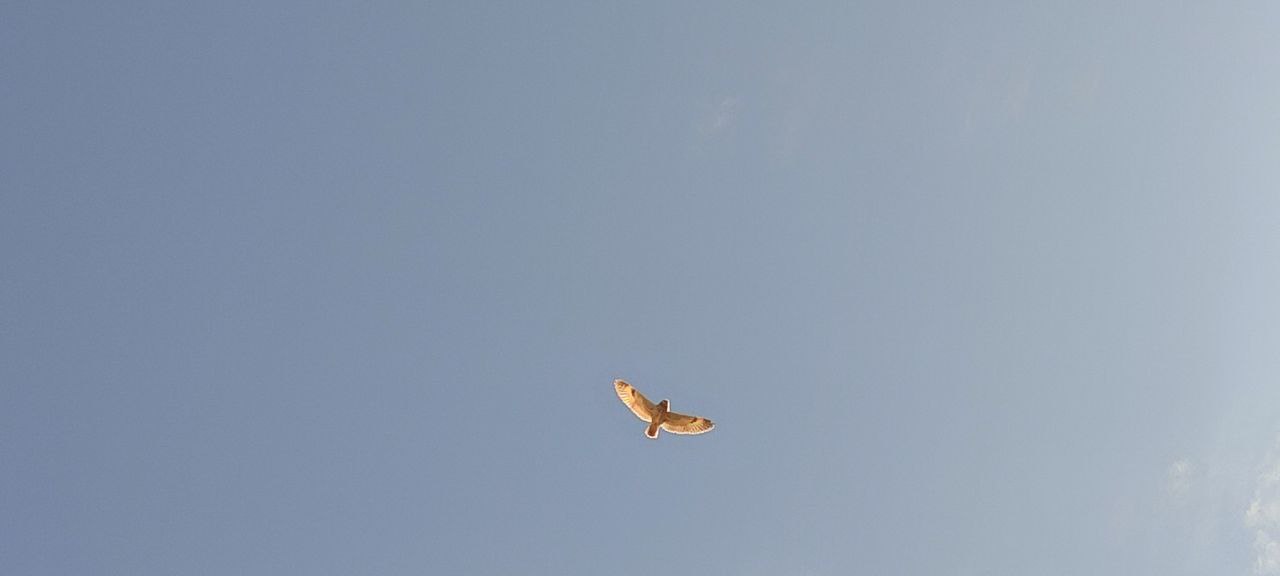
- Saiga antelope, goitered gazelle, Indian honey badger, corsac fox, Central Asian desert tortoise, long-spined hedgehog, four-lined snake, golden eagle, caracal, great bustard, and others.
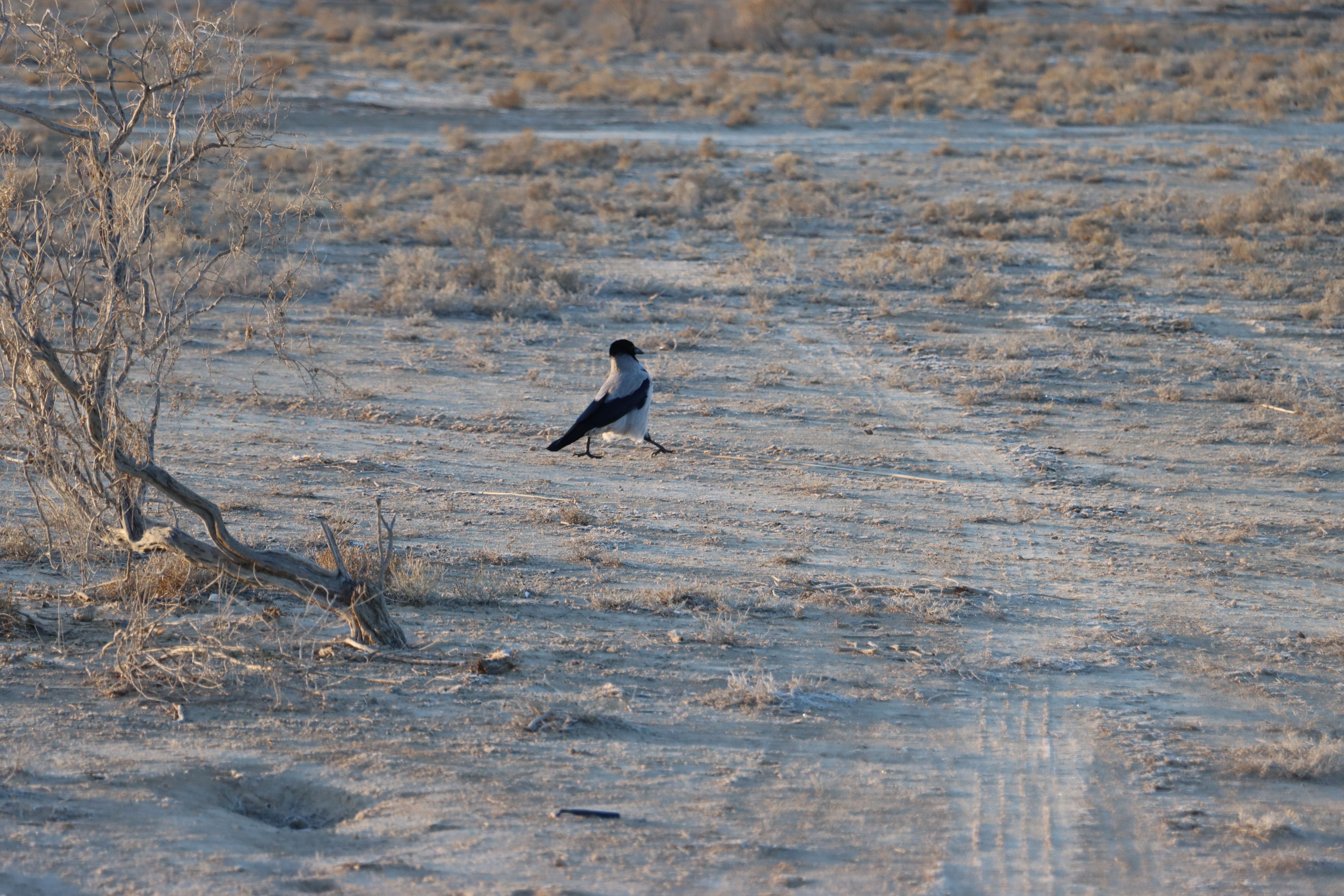
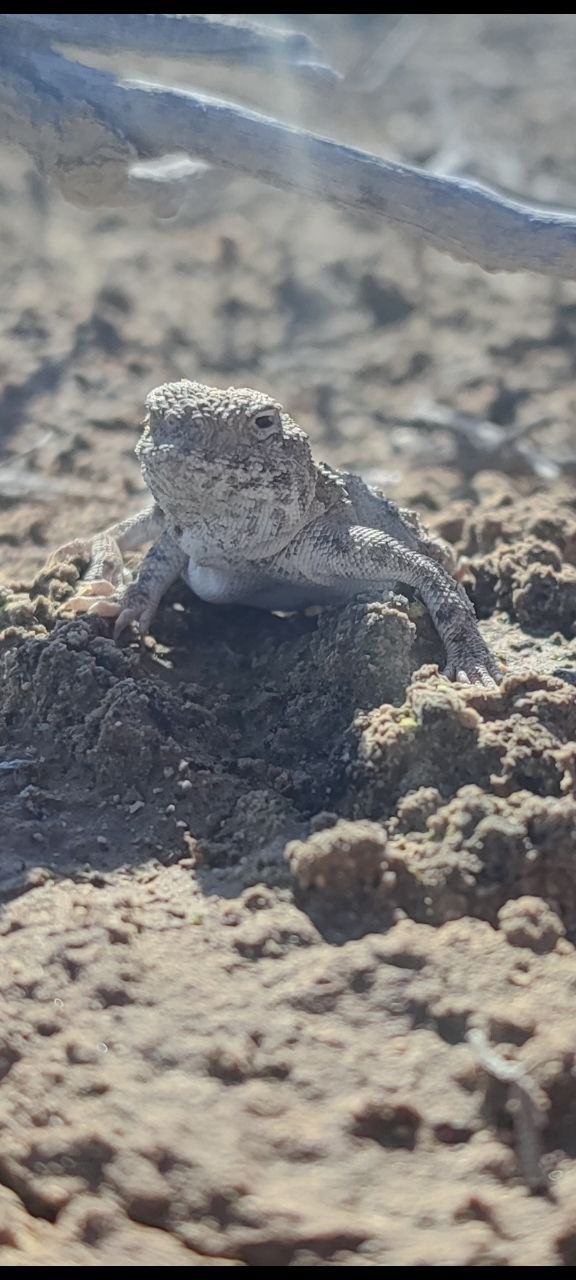
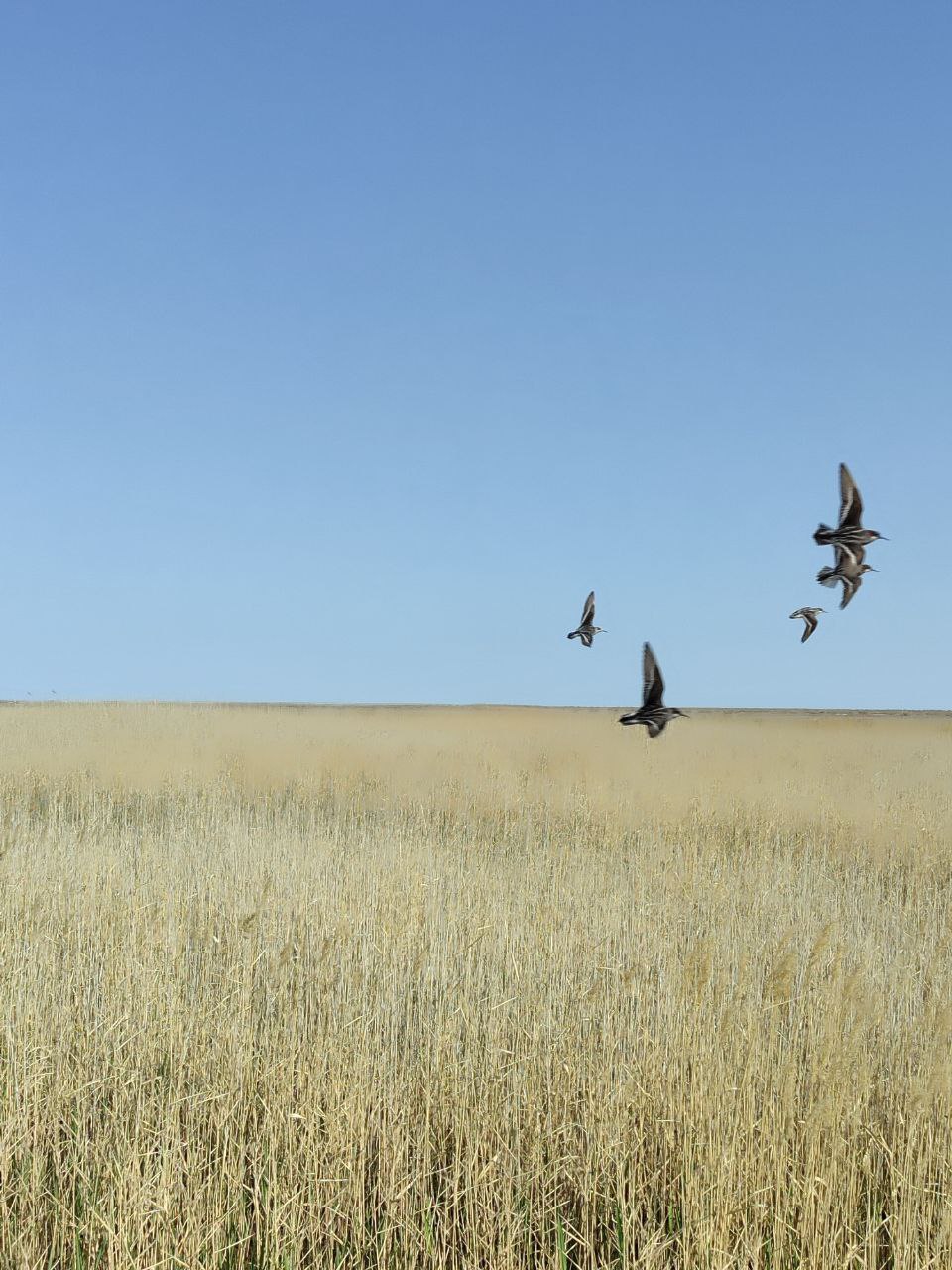
Additionally, animals such as wolves, foxes, large gerbils, mole rats, tolai hares, and various bird species are widespread. The area is part of the historical range of saiga and Turkmen wild asses.
Ecotourism
The Barsakelmes Depression and its surroundings feature unique natural landmarks, including karst sinkholes and collapses, Lake Gurkireuk, and the Barsakelmes Salt Mine. Historical sites such as the ruins of a 14th–15th-century stone fortress (Alan Kala), an open sardoba (water reservoir), and other remnants make the area a promising destination for ecotourism routes.
Key Points of Interest:
- Lake Gurkireuk: Located 260 km from Nukus and 160 km from Kungrad.
- The Reserve: Situated 160 km from Kungrad.